Calcium Silicate Grid Support for Deep Bed Filters
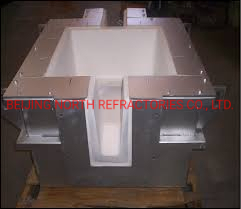
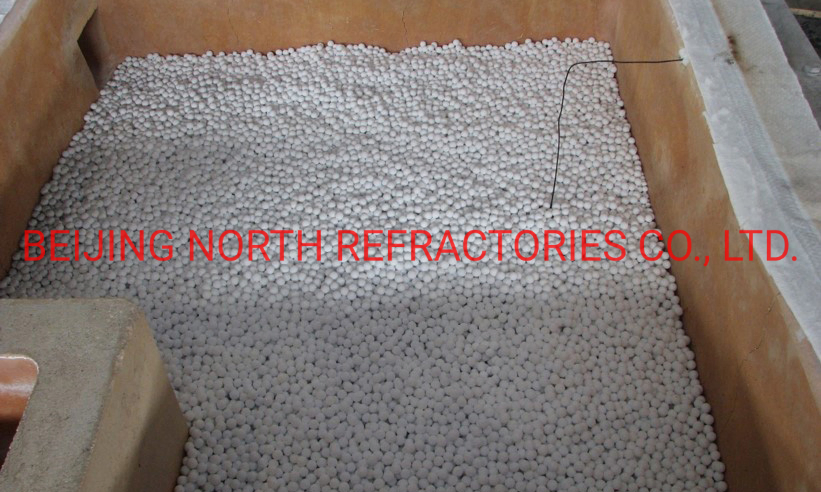
A deep-bed filtration system is used to clean metal prior to casting and can achieve filtration efficiency of greater than 90 percent. These systems are frequently used in slab rolling ingot and continuous sheet casting processes. It typically is placed in between the holding furnace and the casting operation and consists of an outer steel shell with a refractory lining containing grid plates and layers of alumina balls.
Alumina balls are the primary filter media for deep bed filtration systems. The size, shape, packing pattern and depth of the media can be varied to achieve desired filtration performance. Due to its high filtration efficiency, the deep-bed filter is commonly used in operations that require especially critical product quality such as can end stock and lithographic sheet.
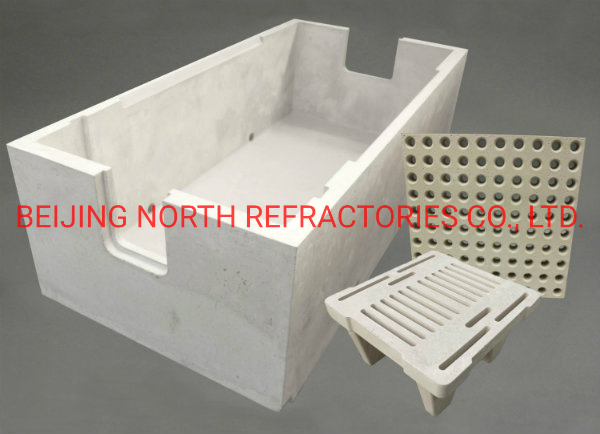
Boxes & Liners
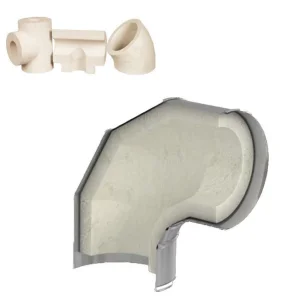
We provide design, engineering, and manufacturing expertise to build Liner Systems that conform to specific assembly needs. Any size, shape, or configuration is possible for a turnkey solution.
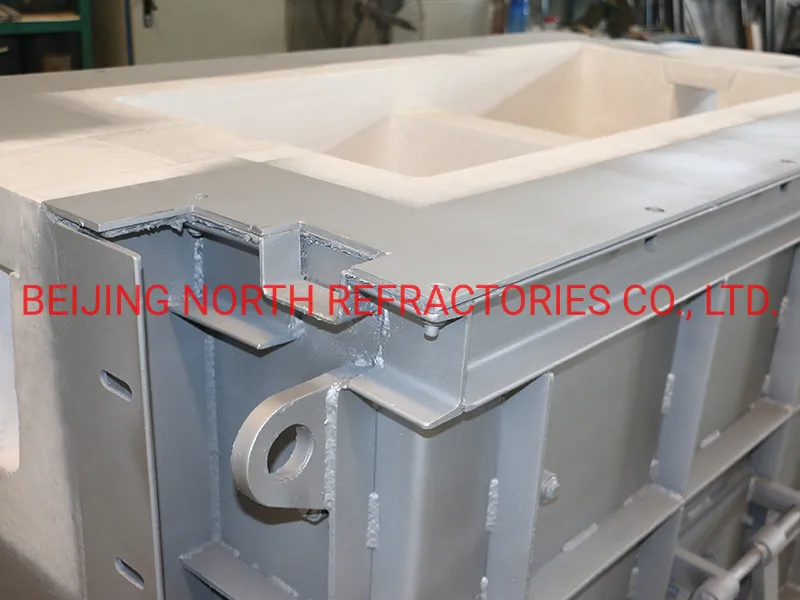
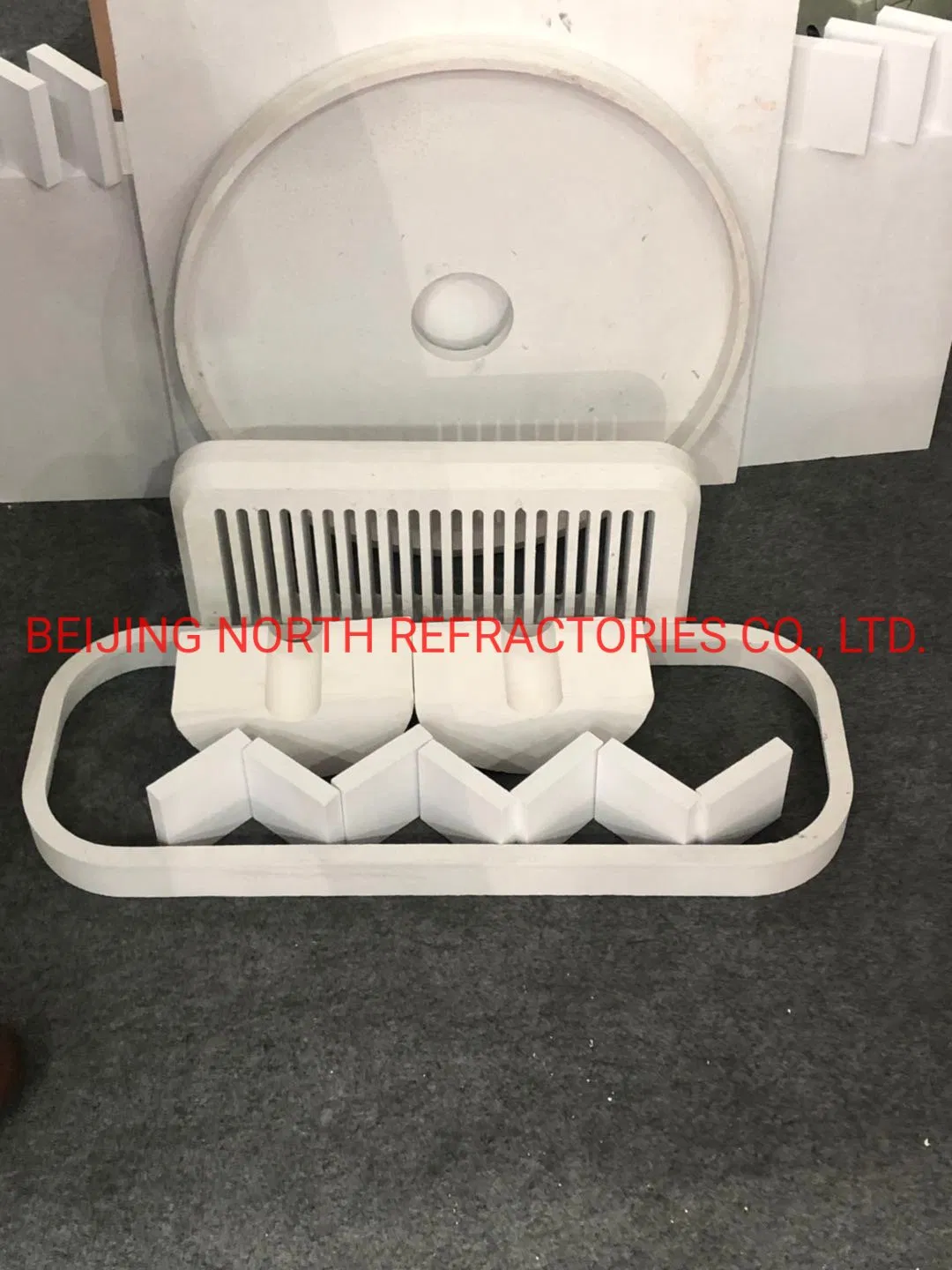
Baffles and Dams
Precision-cast baffles for the molten metal casting process are available to ensure optimal metal flow control.
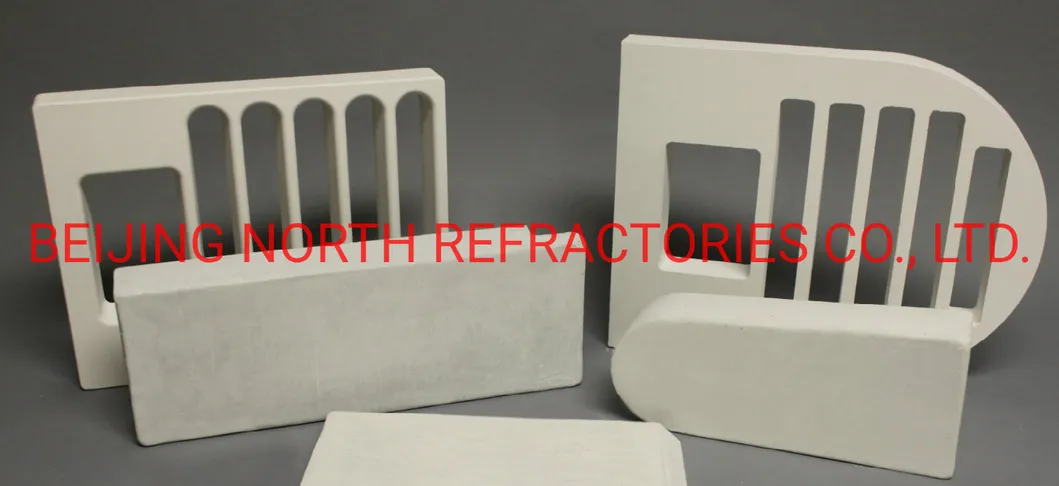
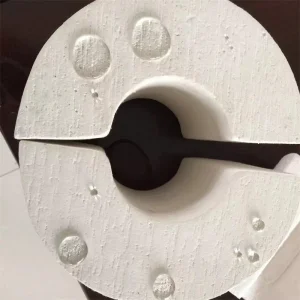
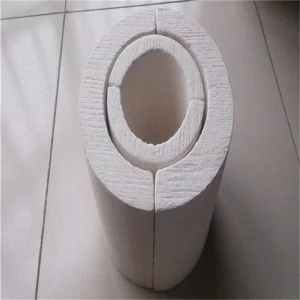
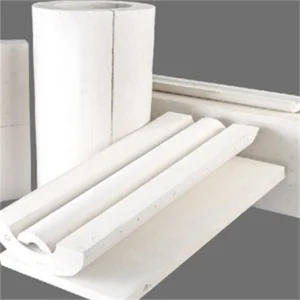
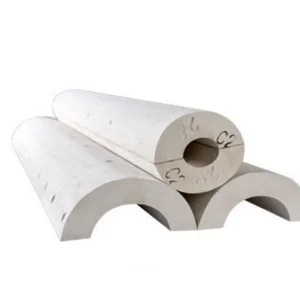
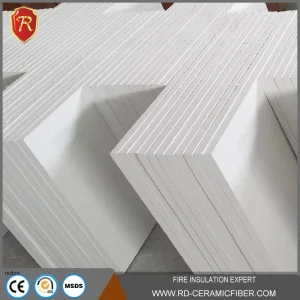
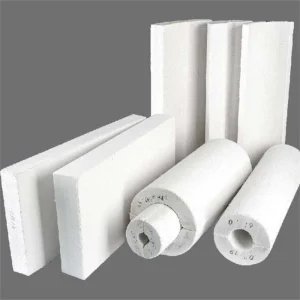
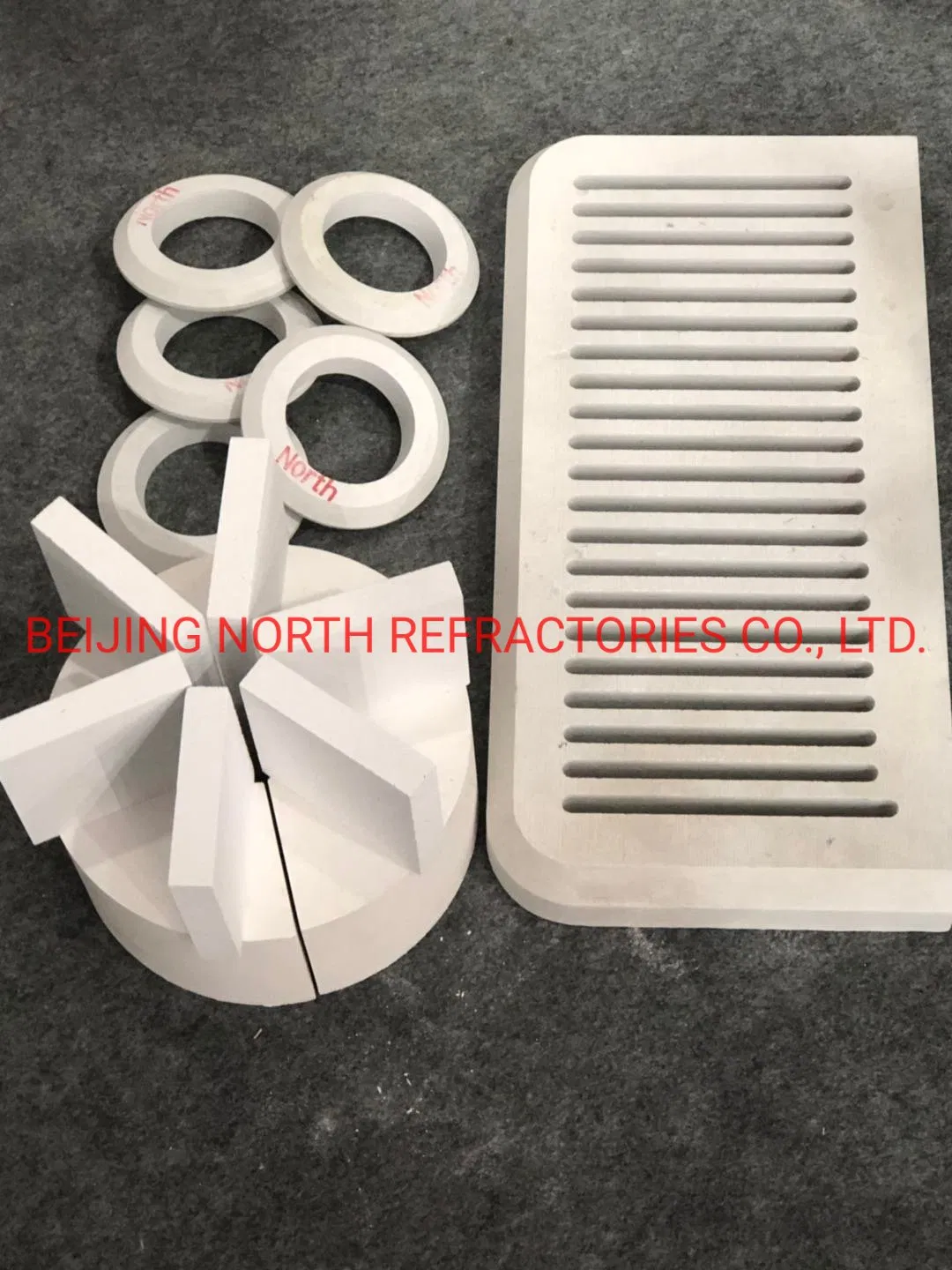
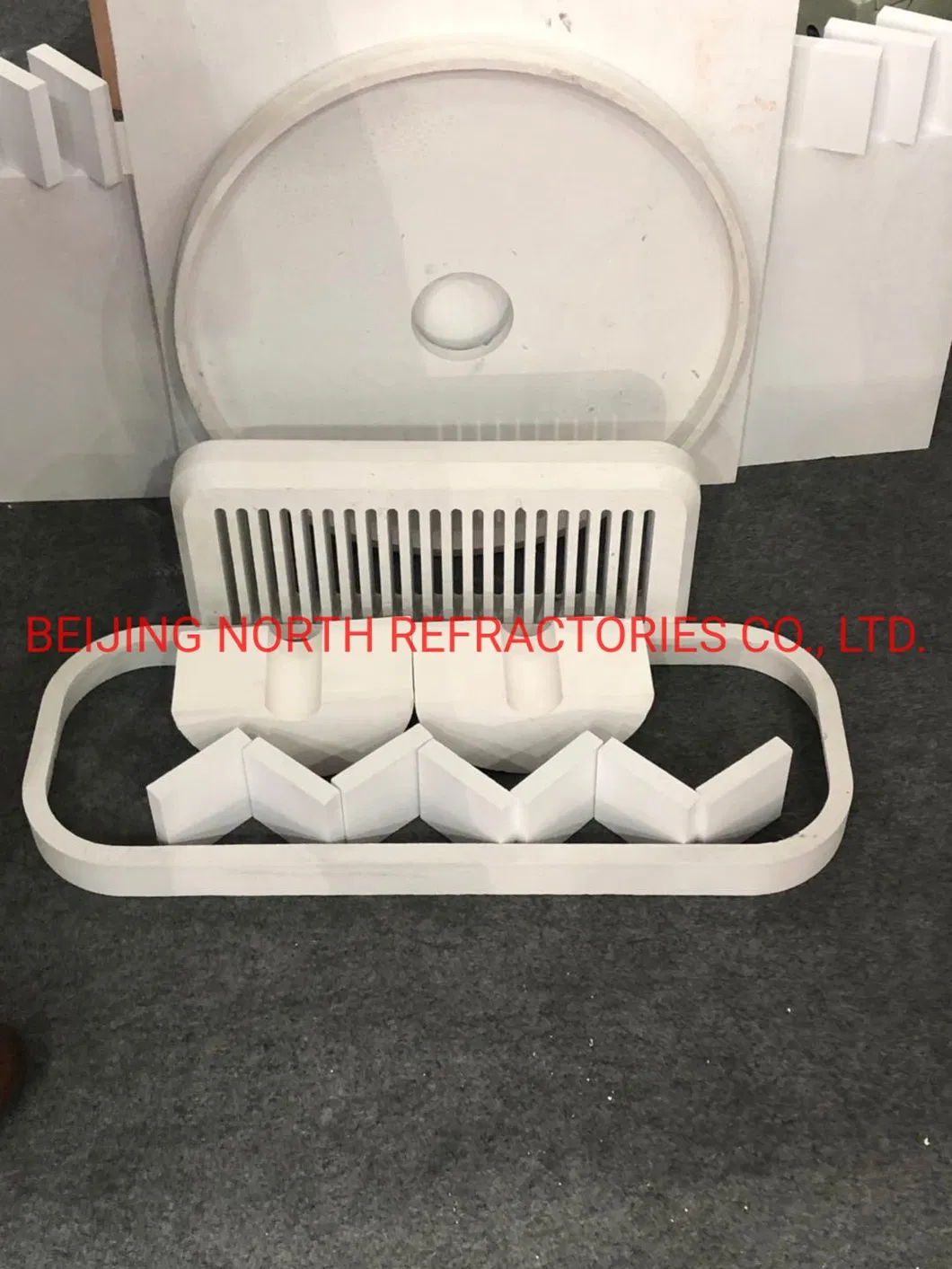
Calcium Silicate Grid Bars
Defined as an elevated platform in a bed filter to support the filter media and allow metal flow. These are custom designed and engineered for each individual specification with tight tolerances.
Floats
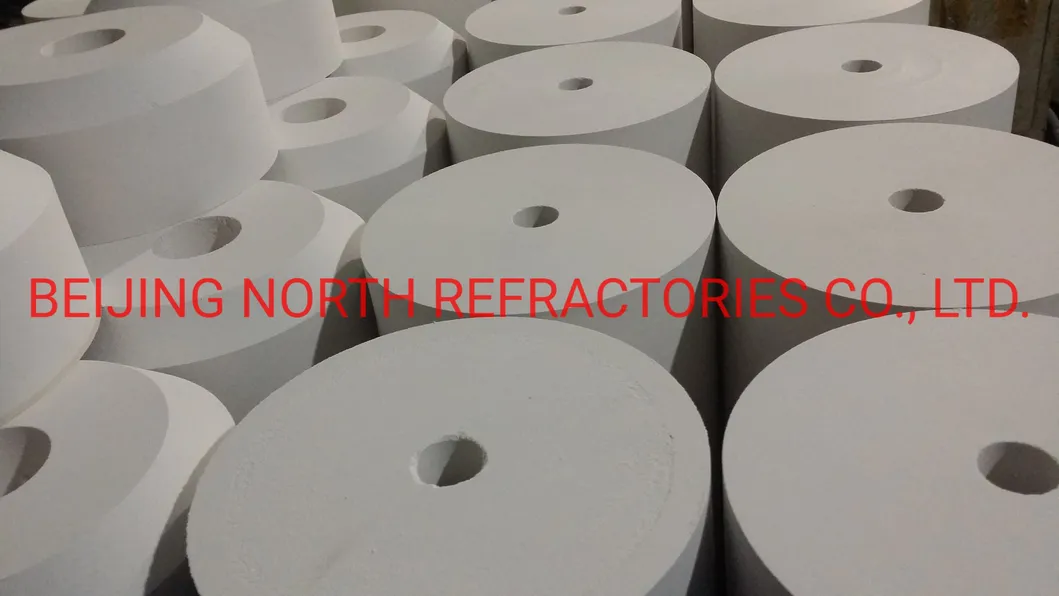
Our floats feature no outgasing, custom engineered shapes to meet any requirement, tight tolerance, and low density or fused silica refractory options.
Comparison of Filtration Technologies
Bed Filters (BF): Built of Al2O3-balls or chips (2 - 8 mm). These are suited for high throughput of melts up to 1000 t and separation of small inclusions < 20 μm.
Ceramic Foam Filters (CFF): Labyrintic structured ceramic material. Very effective cleaning via deep bed filtration effects. Available in various pore sizes (10 ppi to 80 ppi). These are the most commonly used in Aluminium metallurgy due to low operational costs.
Rigid Media Filters (RMF): Porous ceramic tubes built in pipe bundles. Best for removing very small particles, though they have a higher pressure drop and shorter lifetime.
Frequently Asked Questions
1. What is the filtration efficiency of this system?
The deep-bed filtration system can achieve a filtration efficiency of greater than 90 percent, making it ideal for high-quality metal production.
2. What are the primary applications for Calcium Silicate Grid Supports?
They are primarily used in slab rolling ingot and continuous sheet casting processes, particularly for products requiring critical quality like can end stock and lithographic sheets.
3. Can the grid bars and liners be customized?
Yes, all grid bars, boxes, and liners are custom designed and engineered according to individual specifications and tight tolerances.
4. What material is used for the primary filter media?
Alumina (Al2O3) balls are the primary filter media. Their size, shape, and packing pattern are varied to meet specific performance requirements.
5. Why choose Calcium Silicate for these components?
Calcium silicate is chosen for its excellent refractory properties, ability to maintain tight tolerances, and the fact that it produces no outgasing during the casting process.
6. How does CFF compare to RMF filters?
Ceramic Foam Filters (CFF) are generally cheaper and used for general purposes, while Rigid Media Filters (RMF) are more efficient at removing very small particles but come with higher investment and operational costs.