In modern structural engineering, heavy lifting, and utility grid setups, structural components like weldless eye nuts represent crucial links for ensuring absolute system integrity. Unlike welded hardware which relies heavily on the quality of a join weld—making it susceptible to localized stress concentration, heat-affected zone (HAZ) vulnerability, and environmental cracking—weldless eye nuts are drop-forged from a single piece of steel. This manufacturing paradigm aligns the grain boundaries of the metal perfectly to flow around the contour of the eyelet, resulting in unprecedented load-bearing capacities and high fatigue resistance.
Globally, heavy industry relies on weldless eye nuts for electrical transmission towers, marine mooring applications, oil and gas pipeline suspension systems, and massive civil infrastructure bracing. Designed to load structural rods and anchors, these components are engineered to withstand continuous tensile stress, seismic shocks, and environmental extremes. Organizations like the Federal Specification RR-C-271 and ASTM demand strict compliance benchmarks. As the demand for renewable energy grids and resilient civil engineering grows, the global procurement of high-grade forgings is shifting towards specialized manufacturers who can produce reliable, load-tested anchoring components at scale.
To understand why global procurement managers prioritize drop-forged weldless hardware, we must analyze the mechanical behavior under stress.
Drop-forged weldless eye nuts feature a continuous metal grain flow structure. This prevents internal stress-cracks, and maintains load capacity regardless of the direction of the tension applied.
Welded equivalents have micro-voids, weld porosity, and hard zones created by rapid cooling. Under cyclical dynamic loading, these welded regions are highly susceptible to fatigue fracture.
Due to chemical homogeneity in carbon steel C1045 or alloy steels, hot-dip galvanized weldless eye nuts exhibit uniform zinc coating adhesion, resisting aggressive atmospheric corrosion.
China's dominance in heavy industrial forging and rigging manufacture is not merely a matter of scale; it is a system of consolidated logistics, material supply chains, and highly integrated thermal processing facilities. As a top industrial hub, the city of Ningbo represents the pinnacle of this efficiency. Ningbo's industrial zone hosts deep manufacturing clusters ranging from tool and die design, raw steel mills, continuous heat-treatment facilities, and advanced precision CNC machining shops.
Furthermore, Ningbo-Zhoushan Port stands as one of the world's busiest cargo hubs. For international industrial sourcing managers, this eliminates inland transportation overheads and drastically reduces freight transit times. Purchasing from a Ningbo-based manufacturer like Ningbo Ampy Pipe Co., Ltd. ensures that raw materials, surface treatments (such as hot-dip galvanization or black oxide plating), and structural testing are completed within a tight, highly cost-efficient radius. This unique spatial economic concentration enables Chinese factories to deliver high-spec products that meet or exceed American and European safety standards at a fraction of the traditional lead times.
Weldless eye nuts are not catalog hardware used at random; they are deeply integrated into specialized engineering designs. Below are key environments where these parts are mandatory:
In large-scale industrial plants, oil refineries, and marine engines, thermal expansion causes constant pipe movement. Weldless eye nuts connect structural tie rods to pipe hangers, handling dynamic shifts and absorbing mechanical vibrations without risk of metal fatigue.
High-voltage overhead power lines demand structural support systems that withstand strong winds and ice accumulation. Forged eye nuts anchor high-tension structural lines and insulator strings to concrete poles and lattice steel towers, ensuring years of outdoor service.
Saltwater environments accelerate standard crevice corrosion. Heavy-duty galvanized or stainless steel weldless eye nuts provide secure lifting and tie-down points on vessels, docks, and offshore drilling platforms, keeping cargo secure under rough conditions.
In earthquake-prone regions, building codes require seismic restraints for mechanical systems. Forged eye nuts anchor structural cable braces, ensuring HVAC systems, fire sprinklers, and electrical conduits remain secure during ground tremors.
Ningbo Ampy Pipe Co., Ltd. is a professional manufacturer specializing in pipe support systems, including pipe shoes, cold pipe supports for refrigeration, and insulated pipe supports for industrial applications. Located in Ningbo, a major port city with strong manufacturing capabilities, the company benefits from efficient logistics and a well-developed industrial supply chain.
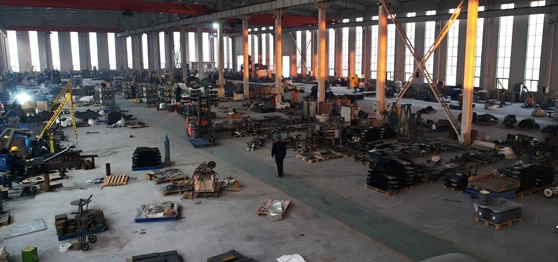
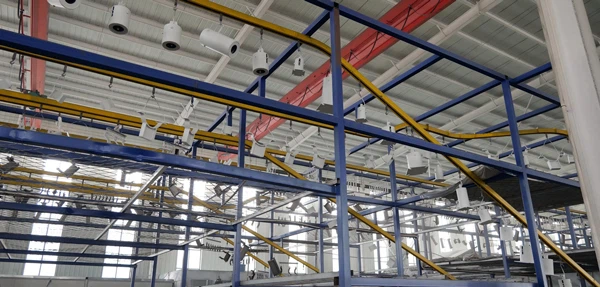
Founded in 2013, Ampy Pipe started as a small-scale supplier of basic pipe supports for local construction projects. With continuous investment in engineering expertise and production equipment, the company expanded its product range to include advanced insulated and cryogenic pipe support solutions. By 2018, Ampy had entered international markets, supplying customized support systems for clients in the oil & gas, HVAC, petrochemical, and refrigeration industries.
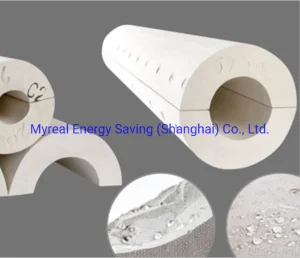
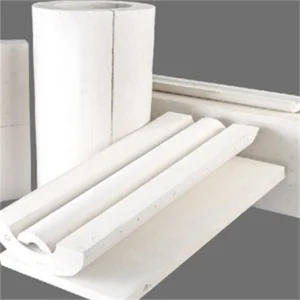
The company offers a wide range of products, such as pipe shoes, sliding and fixed supports, pre-insulated pipe supports, and high-performance materials including polyurethane and calcium silicate supports. All products are designed to reduce heat loss, prevent corrosion, and ensure long-term system stability under extreme temperatures and operating conditions.
Ningbo Ampy Pipe Co., Ltd. operates under strict quality control standards and provides OEM/ODM services to meet diverse project requirements. With a commitment to innovation, durability, and customer satisfaction, Ampy continues to deliver reliable and cost-effective pipe support solutions to clients worldwide.
As engineering projects grow larger and more complex, the demands on safety and structural hardware continue to rise. Moving forward, the manufacturing of forged fasteners and structural rigging components is driven by several key technical trends:
Applying high-entropy steel alloys and micro-alloyed carbon steels to increase mechanical strength limits while reducing bulk weight. This enables structural supports to carry higher loads with a smaller physical footprint.
Replacing traditional chrome and standard plating with environmentally friendly zinc-flaking and advanced polymer-matrix coatings. These provide superior salt-spray corrosion protection without toxic chemical runoff.
Integrating RFID chips and laser-etched matrix codes directly onto forged bodies. This allows on-site inspectors to instantly access material certificates, proof test results, and production batches with a mobile scan.
For international sourcing directors and EPC contractors, procuring forged safety-critical parts like eye nuts and pipe hanging hardware requires thorough due diligence. Relying solely on low-cost quotes without verifying manufacturing details can lead to project delays or catastrophic on-site failures.
A robust procurement strategy must prioritize traceability. Manufacturers should provide comprehensive Material Test Reports (MTRs) detailing the exact chemical composition, yield strength, and tensile test performance of the steel batch. Furthermore, non-destructive testing (NDT), such as magnetic particle inspection, should be requested for critical production batches to ensure the forgings are free of internal voids and surface micro-fissures. Partnering with vertically integrated suppliers like Ningbo Ampy Pipe Co., Ltd. allows buyers to streamline quality control, verify documentation, and secure direct-from-factory pricing with full engineering transparency.
 Ampy Pipe