Engineering-grade solutions verified under strict European standards for high-load and extreme-temperature networks.
Managing Thermal Expansion, Structural Vibrations, and Load Redistribution in Industrial Piping
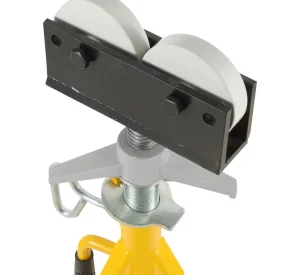
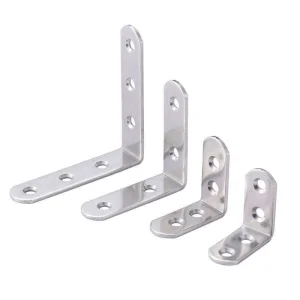
In high-temperature process pipelines and cryogenic applications, thermal expansion and contraction are inevitable forces. Pipelines transporting hot fluids (like steam or superheated gases) expand in length. If this expansion is physically constrained by rigid anchor points without allowance for lateral or axial movement, the resulting axial stresses can exceed the yield strength of the steel, leading to catastrophic buckle failure, joint rupture, or vessel nozzle deformation. Sliding pipe brackets serve as crucial structural bearings that restrict vertical displacement while allowing planned, frictionless axial movement.
A key factor in the performance of sliding pipe shoes is the control of the friction coefficient (μ). Modern systems utilize low-friction pads, such as PTFE (Polytetrafluoroethylene), graphite, or special self-lubricating bronze plates. Standard steel-on-steel contact yields a sliding friction coefficient of around 0.3 to 0.4. By integrating engineered PTFE interfaces, this coefficient drops below 0.05. This drastic reduction in force directly translates to lighter structural steel supports, lower engineering costs, and enhanced longevity of the overall pipe rack structure.
A Premium Global Manufacturing Partner for Advanced Pipe Support Systems
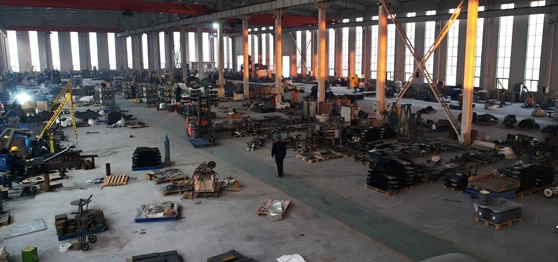
Ningbo Ampy Pipe Co., Ltd. is a professional manufacturer specializing in pipe support systems, including pipe shoes, cold pipe supports for refrigeration, and insulated pipe supports for industrial applications. Located in Ningbo, a major port city with strong manufacturing capabilities, the company benefits from efficient logistics and a well-developed industrial supply chain.
Founded in 2013, Ampy Pipe started as a small-scale supplier of basic pipe supports for local construction projects. With continuous investment in engineering expertise and production equipment, the company expanded its product range to include advanced insulated and cryogenic pipe support solutions. By 2018, Ampy had entered international markets, supplying customized support systems for clients in the oil & gas, HVAC, petrochemical, and refrigeration industries.
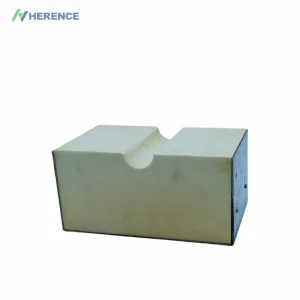
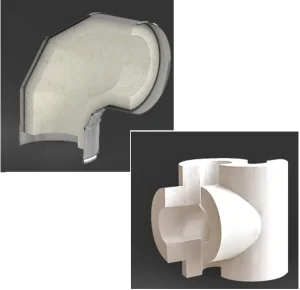
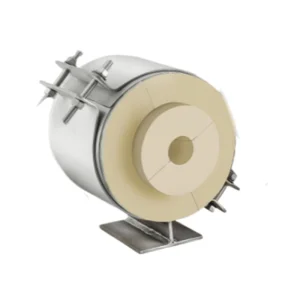
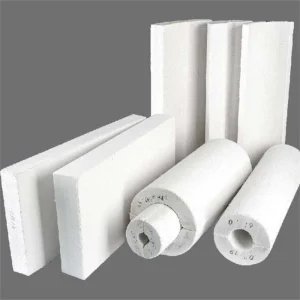
The company offers a wide range of products, such as pipe shoes, sliding and fixed supports, pre-insulated pipe supports, and high-performance materials including polyurethane and calcium silicate supports. All products are designed to reduce heat loss, prevent corrosion, and ensure long-term system stability under extreme temperatures and operating conditions.
Ningbo Ampy Pipe Co., Ltd. operates under strict quality control standards and provides OEM/ODM services to meet diverse project requirements. With a commitment to innovation, durability, and customer satisfaction, Ampy continues to deliver reliable and cost-effective pipe support solutions to clients worldwide.
How Modern Engineering Solves Pipeline Displacement in Extreme Climates and Regulated Zones
In Northern Europe and North America, Liquefied Natural Gas (LNG) pipelines operate at extremely cold temperatures down to -162°C. In these environments, pipeline contraction is severe. Specialized cold insulation sliding supports, constructed with high-density polyurethane (HDPU) cores and PTFE sliders, prevent heat leakages and ensure cold-insulation barrier continuity, avoiding pipe wall frosting and thermal stresses on structural pipe runs.
Municipal heating grids across Eastern and Central Europe run high-pressure superheated water and steam lines. Thermal cycling (startup/shutdown phases) induces massive structural shifting. Rigid brackets would cause mechanical stress concentrations. CE certified sliding pipe brackets, fitted with metallic guides and pre-stressed springs, allow linear expansion of over 100mm without lateral misalignment.
In Southeast Asia and Gulf of Guinea offshore platforms, atmospheric salt spray rapidly corrodes conventional structural supports. For long-term integrity, sliding brackets are fabricated with AISI 316L stainless steel, coupled with hot-dip galvanized bases (HDG) exceeding 85 microns thickness. This ensures maintenance-free operation under severe marine environment exposures.
The Evolution from Passive Mechanical Supports to Smart, Eco-Conscious Pipeline Bearings
As the industrial piping world moves toward carbon neutrality and automated operations, the components supporting these networks must evolve. The next five years will witness a transition from standard welded assembly shoes to modular, highly analyzed structural bearings designed to handle dynamic loadings and real-time stress tracking.
| Development Parameter | Conventional Baseline | Next-Generation (Ampy Roadmap) | Projected Operational Value |
|---|---|---|---|
| Material Composition | Carbon Steel ASTM A36 + Basic Primer | Nano-ceramic composite barrier & Duplex Steels | 100% increase in corrosion resistance life cycle. |
| Friction Optimization | Greased Metal-on-Metal / Basic PTFE | Sintered dry-lubricant matrices, Graphite-alloy interfaces | Elimination of scheduled maintenance cycles. |
| Stress Monitoring | Visual Inspections during plant shutdowns | IoT Integrated Strain Gauge & Laser Displacement Sensors | Real-time alert on structural anomalies, preventing leaks. |
| Carbon Footprint | High carbon footprints in custom forging | Lean manufacturing, zero-waste laser cutting, structural lightweighting | Reduces overall plant structural deadweight loads by 15%. |
How Cluster Infrastructure and Logistic Efficiency Minimize Risk for Global Megaprojects
Ningbo is a historic industrial powerhouse in Zhejiang Province, featuring a direct ecosystem of raw material processing facilities, advanced steel mills, hot-dip galvanizing plants, and tooling manufacturers. This close geographic proximity eliminates inland shipping delays, enables strict raw material batch tracking from the molten furnace stage, and lowers upstream logistics costs. Custom tooling designs that would take weeks elsewhere are executed in days.
For international clients, logistics is a major risk factor. Operating near the Ningbo-Zhoushan Port (the world’s busiest port by cargo tonnage) allows Ningbo Ampy Pipe Co., Ltd. to load heavy-gauge containers directly onto ocean vessels. The shipping time from the factory floor to the container yard is less than 3 hours, offering robust shipping reliability and protection against port congestion delays commonly found in landlocked production regions.
Adhering to Standard Technical Directives for Seamless Plant Approvals
For piping supports installed in European infrastructure, CE Certification is not optional—it is a legal requirement under the Pressure Equipment Directive (PED) 2014/68/EU and EN 1090-2 (execution of steel structures). Our brackets are systematically designed, manufactured, and inspected to meet these criteria. Full material traceability (EN 10204 3.1 certificates) is provided with every shipment, ensuring trouble-free inspections by third-party auditors and local safety authorities.
Insights from Our Engineering and QA Teams Regarding Sliding Pipe Brackets
Precision-made hardware engineered for critical applications in refineries, power generation, and refrigeration plants.
 Ampy Pipe