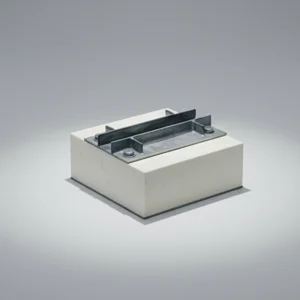
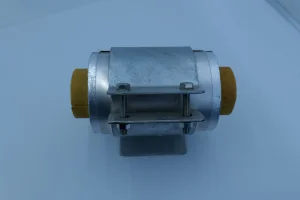
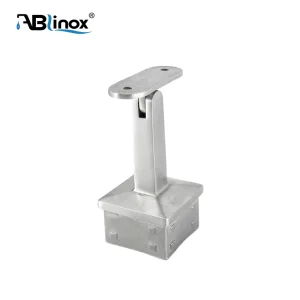
Rwanda has emerged as one of the fastest-growing economies in Sub-Saharan Africa. Guided by its ambitious Vision 2050 blueprint, the country is transitioning from an agrarian society to a high-value industrial, logistical, and services hub. Major capital works, including the Kigali Special Economic Zone (KSEZ), the development of regional water sanitation networks, the extraction of methane gas from Lake Kivu, and the expansion of the cold-chain agricultural grid, require state-of-the-art piping architecture.
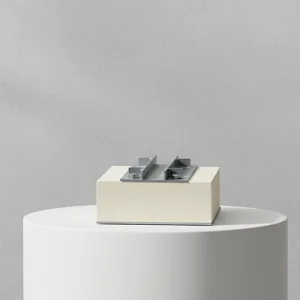
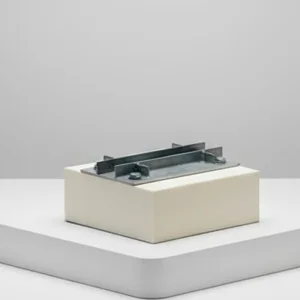
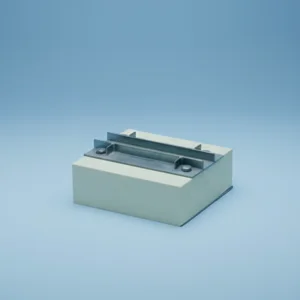
In these sophisticated configurations, standard piping components cannot withstand the load fluctuations, structural shifts, and extreme thermal dynamics. Industrial guide pipe supports are critical elements engineered to allow axial movement while restraining lateral and vertical movement. Our engineering solutions guarantee that pipes retain structural integrity throughout their entire lifespan under extreme temperature changes.
Piping networks undergo dramatic volumetric changes due to internal medium thermal changes and external atmospheric variation. Guide pipe supports provide a precise path for expansion, ensuring that thermal displacement does not convert into destructive mechanical stress on headers, pump casings, or vessel nozzles.
At Ningbo Ampy Pipe Co., Ltd., we utilize sophisticated finite element analysis (FEA) to verify the stress profiles of our products. From high-density Polyisocyanurate (PIR) structural inserts to heavy-duty carbon steel shoes, every single assembly complies with stringent international quality standards, including ASME B31.3 (Process Piping) and MSS SP-58 (Pipe Hangers and Supports - Materials, Design, Manufacture, Selection, Application, and Installation).
| Support Type | Material Configuration | Thermal Range | Primary Industrial Application |
|---|---|---|---|
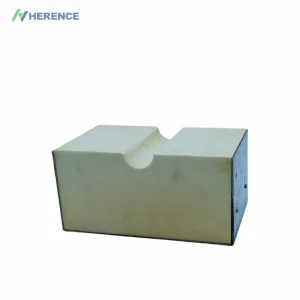
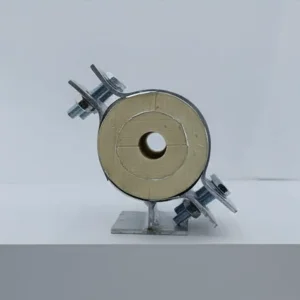
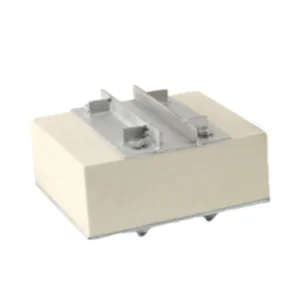
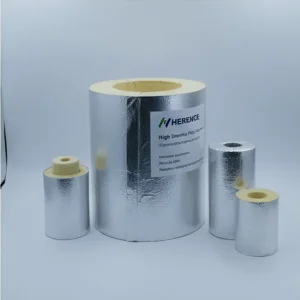
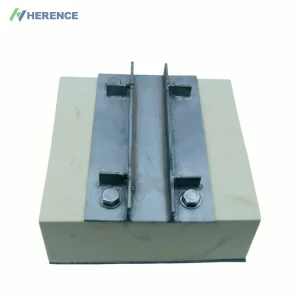
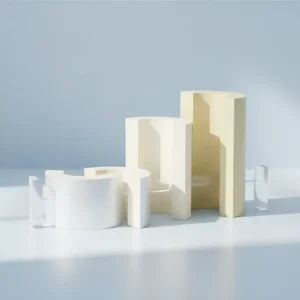
| PIR Cold-Insulated Support | High-Density Polyisocyanurate & Carbon/Stainless Steel Shell | -196°C to +120°C | LNG Terminals, Cold Storage Facilities, Liquid Nitrogen Processing |
| Metallic Sliding Shoe | ASTM A36 Carbon Steel / SS304 / SS316 with PTFE Slide Plates | Ambient to +450°C | Steam Pipelines, Chemical Refining, District Heating Networks |
| Rigid Anchor Clamp | Heavy-Duty Galvanized Structural Steel | Ambient (Atmospheric) | HVAC Risers, Municipal Water Main Headers, Wastewater Treatment |
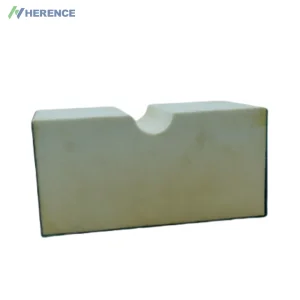
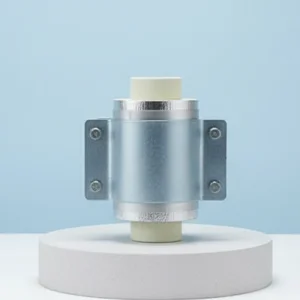
| Polyurethane Insulated Pipe Shoe | HD High-Density Polyurethane Foam (HDPF) | -50°C to +100°C | Glycol Lines, Chilled Water Systems, Food & Beverage Processing |
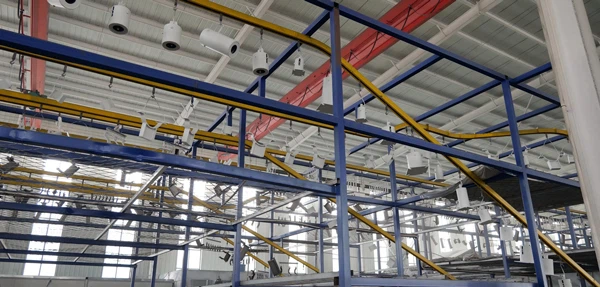
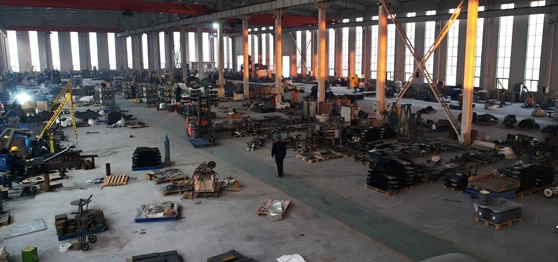
Modern procurement professionals look past simple commodity prices. They demand a partner with robust manufacturing practices, scalable capacity, and a reliable global logistics network. Operating from our state-of-the-art facility in Ningbo, Ningbo Ampy Pipe Co., Ltd. leverages a highly automated production model to deliver world-class performance.
Ningbo's world-class port infrastructure ensures direct, cost-effective shipping lanes connecting to major African gateways, including the Port of Mombasa (Kenya) and the Port of Dar es Salaam (Tanzania). From these ports, dedicated transport corridors ensure rapid delivery straight to Kigali and other industrial zones across Rwanda.
By integrating Industry 4.0 technologies—such as CNC steel fabrication, automated high-pressure polyurethane foaming, and laser-guided welding systems—we guarantee consistent tolerances across thousands of units. Every production run undergoes destructive and non-destructive testing (NDT), including ultrasonic weld testing and thermal conductivity evaluation.
The geography, climate, and emerging industrial profile of Rwanda require specialized engineering configurations. A single piping layout might cross standard high-humidity zones, rugged high-elevation terrain, and temperature-controlled storage spaces.
Rwanda's agricultural sector relies on efficient logistics to export fresh produce, tea, and flowers via Kigali International Airport. Maintaining cold storage requires advanced refrigeration piping. Our polyurethane and PIR cold insulation supports prevent condensation, eliminate thermal bridging, and significantly reduce compressor energy consumption.
Extracting pressurized methane gas from the depths of Lake Kivu demands processing equipment capable of handling corrosive environments and high pressures. Our heavy-duty stainless-steel sliding supports and anchor assemblies withstand continuous coastal-style microclimates and seismic tremors, preventing structural piping failures.
As cities like Kigali, Gisenyi, and Musanze grow rapidly, civil infrastructure networks expand alongside them. Long-distance municipal water and wastewater pipelines rely on guided pipe supports to handle hydraulic shock, thermal expansion, and potential land shifts without leaking.
 Ampy Pipe