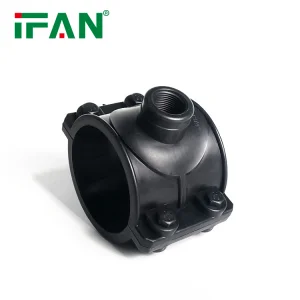
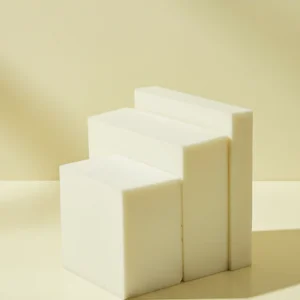
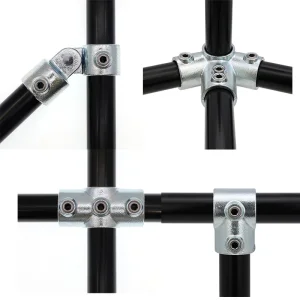
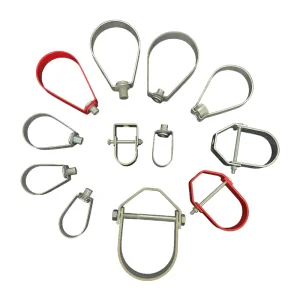
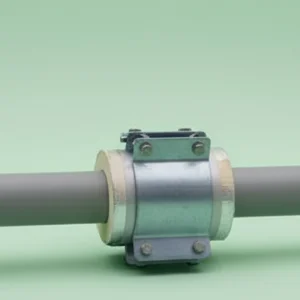
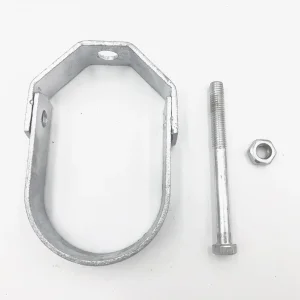
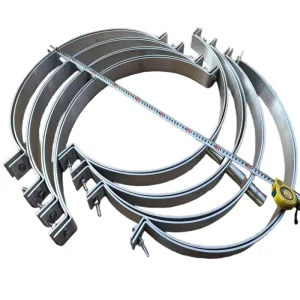
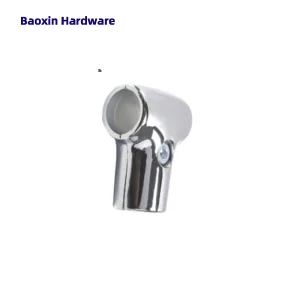
High-precision mechanical pipe strapping, engineered clamps, and thermal insulation brackets complying with international structural pipeline safety standards.
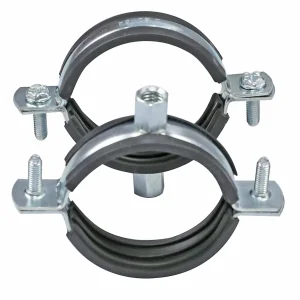
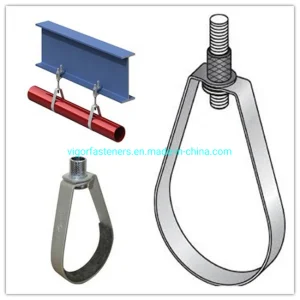
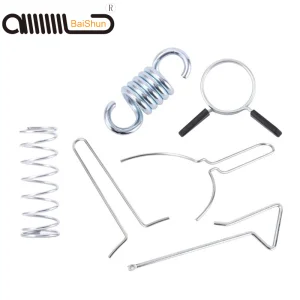
In modern mechanical, electrical, and plumbing (MEP) infrastructure, the mechanical integrity of a piping network relies heavily on its anchoring and mounting accessories. Among these, two-hole pipe straps (often classified under industry standards like MSS SP-58 and ASME B31.3) serve as a critical component in ensuring structural stability, absorbing vibration, and mitigating thermal expansion stresses. Global demands for heavy-duty metal strapping continue to grow, propelled by rapid expansions in oil & gas distribution, commercial HVAC networks, high-density server room cooling systems, and maritime shipbuilding projects.
Industrial pipe supports are no longer treated as simple commodities. They are engineered components subject to extreme mechanical demands, harsh atmospheric conditions, and strict environmental regulations. The transition toward high-density municipal construction and offshore wind power installations has driven the engineering need for advanced surface coatings, specialized metal alloys (such as marine-grade 316 stainless steel), and elastomeric lining systems. Industry leaders are focusing heavily on raw material grade transparency, safety factor verification (e.g., a standard 5:1 design margin), and galvanic separation systems to ensure a lifecycle of 30+ years in C5-M high-corrosivity environments.
Ningbo Ampy Pipe Co., Ltd. is a professional manufacturer specializing in pipe support systems, including pipe shoes, cold pipe supports for refrigeration, and insulated pipe supports for industrial applications. Located in Ningbo, a major port city with strong manufacturing capabilities, the company benefits from efficient logistics and a well-developed industrial supply chain.
Founded in 2013, Ampy Pipe started as a small-scale supplier of basic pipe supports for local construction projects. With continuous investment in engineering expertise and production equipment, the company expanded its product range to include advanced insulated and cryogenic pipe support solutions. By 2018, Ampy had entered international markets, supplying customized support systems for clients in the oil & gas, HVAC, petrochemical, and refrigeration industries.
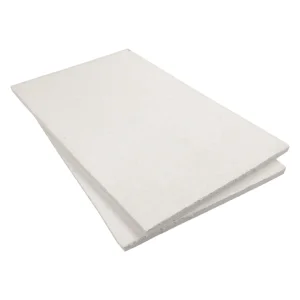
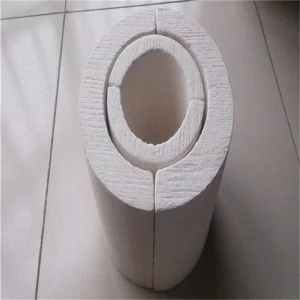
The company offers a wide range of products, such as pipe shoes, sliding and fixed supports, pre-insulated pipe supports, and high-performance materials including polyurethane and calcium silicate supports. All products are designed to reduce heat loss, prevent corrosion, and ensure long-term system stability under extreme temperatures and operating conditions.
Ningbo Ampy Pipe Co., Ltd. operates under strict quality control standards and provides OEM/ODM services to meet diverse project requirements. With a commitment to innovation, durability, and customer satisfaction, Ampy continues to deliver reliable and cost-effective pipe support solutions to clients worldwide.
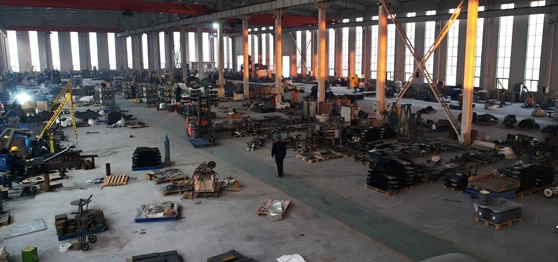
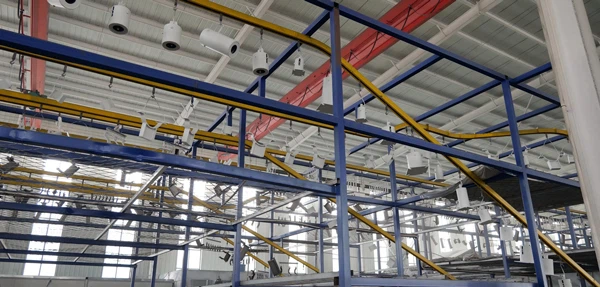
The production process of heavy-duty two-hole pipe straps requires strict mechanical and metallurgical consistency. Our technology roadmap focuses on moving beyond standard steel shaping towards high-tensile hot-dip galvanized (HDG) and marine-grade stainless steels. Using progressive die stamping presses and automated bending cells, we minimize micro-fractures in high-stress radius zones, keeping structural performance predictable under cyclic load variations.
We source certified structural steels (ASTM A1011 / A653) and stainless steel grades (SUS304 / SUS316). Strict incoming material inspections analyze carbon equivalent percentages, yield strength, and elongation thresholds to ensure reliability.
Progressive die tooling allows simultaneous punching, embossing, and shearing. This limits edge stress concentration and keeps dimensions consistent across high-volume production runs.
Depending on environmental demands, components undergo Hot-Dip Galvanization (ASTM A123) for deep metallurgical zinc bonding, zinc plating, or advanced powder coating. These treatments provide lasting resistance to C4/C5 atmospheric corrosion.
The global mechanical component market is sensitive to lead times and commodity price changes. Ningbo Ampy Pipe Co., Ltd. benefits from its location in the Ningbo manufacturing cluster, which helps protect our global partners from supply chain risks. By using local upstream steel mills and specialized surface finishing companies, we minimize domestic transit times and cut out middleman pricing markups.
Our proximity to the Port of Ningbo-Zhoushan—one of the world's busiest container ports—ensures direct access to major global shipping lanes. This logistics network speeds up transit times to North America, Western Europe, and the Middle East, while keeping container loading and customs clearance costs highly competitive.
| Performance Driver | Ningbo Integrated Supply Chain | Standard Decentralized Factories | Project Owner Advantage |
|---|---|---|---|
| Raw Material Sourcing | Direct mill allocation & localized material hedging | Third-party brokers with variable supply | Predictable pricing during metal market swings |
| Lead Times (FOB) | 15 to 25 Days (Automated manufacturing) | 45 to 60 Days (Manual setups) | Lower inventory carrying costs |
| Surface Coating | In-house automated zinc-plating & HDG lines | Outsourced coating with high defect risks | Consistent thickness and long-term corrosion resistance |
| Customization (OEM/ODM) | Fast tooling (CAD to CNC prototype in 5 days) | Slow development cycles (3-4 weeks) | Fast adjustments to field design changes |
How our support systems meet local requirements, engineering standards, and specific environmental challenges across global markets.
In the US and Canada, MEP contractors install two-hole pipe straps directly onto 1-5/8" Unistrut channels. These installations must comply with SMACNA guidelines for duct and pipe support spacing. In seismic areas, systems require thicker carbon steel designs (10 gauge to 12 gauge) to handle dynamic lateral and vertical seismic acceleration forces without structural failure.
European processing plants require hardware that resists bacterial growth and handles frequent chemical washdowns. Stainless steel 2-hole straps (Grades 1.4301/1.4404) are polished to limit surface roughness, meeting EHEDG guidelines. For standard plumbing runs, EPDM rubber inserts are used to damp structure-borne noise, ensuring compliance with DIN 4109 acoustic standards.
High ambient humidity, salt fog exposure, and elevated operating temperatures in GCC countries make corrosion control a priority. High-grade hot-dip galvanized and fluoropolymer-coated (PTFE) pipe straps are specified to prevent galvanic reaction when contacting dissimilar metal piping. High-performance polyurethane and PIR insulation blocks are paired with sliding supports to prevent cold-bridging in cryogenic gas lines.
Rapid urbanization and municipal water network expansions in coastal regions require durable pipe mounting options. For large-diameter HDPE and ductile iron water mains, heavy-duty split pipe clamps with adjustable rubber linings are used. These supports handle soil settlement, water hammer vibrations, and high-salinity marine environments.
In international infrastructure construction, structural failures can lead to significant liabilities. Therefore, compliance with regulatory codes is non-negotiable. All products manufactured by Ningbo Ampy Pipe Co., Ltd. are designed to align with major global building codes. Our manufacturing facilities are certified under ISO 9001:2015, ensuring traceablity at every stage—from raw steel ladle analysis to final shipping packaging.
As a key supplier to international construction and energy projects, we provide complete engineering transparency. We supply Mill Test Reports (MTR) according to EN 10204 3.1, raw material chemical and mechanical test certificates, and salt spray testing logs (per ASTM B117) to confirm anti-corrosion performance. Our engineering department can also provide structural safety load calculations to support MEP engineers during project approval stages.
We work with leading third-party testing agencies (such as SGS, TÜV, and Intertek) to verify tensile strength, mechanical fatigue limits, and coating thickness. For fire protection piping systems, our components are engineered to meet UL and FM standards, ensuring reliability under extreme conditions.
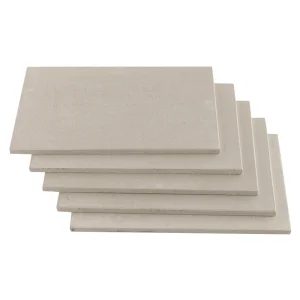
Explore our line of sliding guides, high-density insulating tiles, and custom hardware accessories engineered for heavy industrial piping installations.
 Ampy Pipe