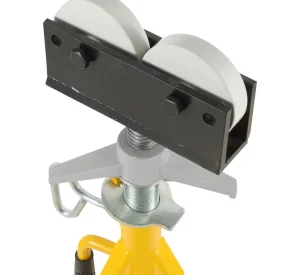
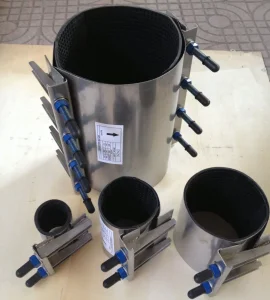
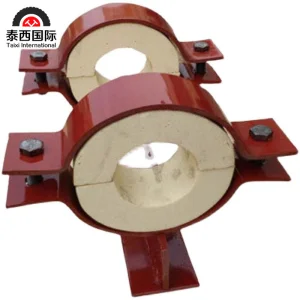
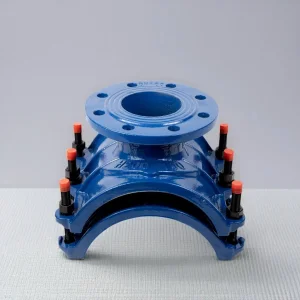
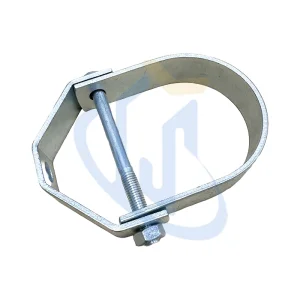
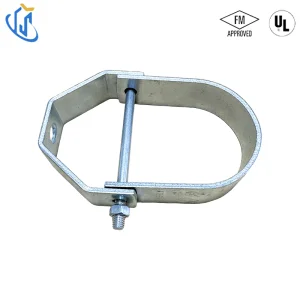
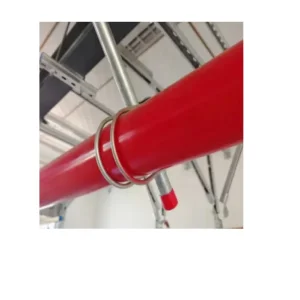
Explore our primary array of FM/UL certified structural pipe hangers, high-density polyurethane cold brackets, tapping saddles, and dynamic load restraint mechanisms designed for severe operating conditions.
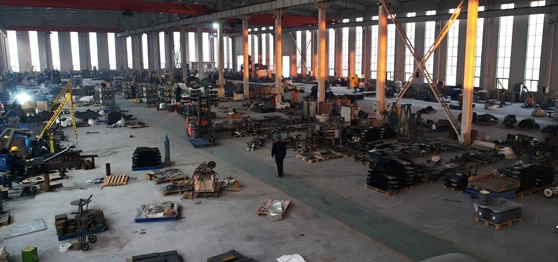
Ningbo Ampy Pipe Co., Ltd. is a professional manufacturer specializing in high-engineered pipe support systems, including pipe shoes, cold pipe supports for industrial refrigeration, and insulated pipe supports for heavy utility applications. Located in Ningbo, a world-class port city with unparalleled manufacturing infrastructure, the company leverages streamlined logistics, direct access to premium metallurgical raw materials, and an end-to-end industrial supply chain.
Founded in 2013, Ampy Pipe began as a specialized supplier of foundational pipe supports for local civil construction and industrial projects. Through persistent capital reinvestment into advanced CNC machining, automated robotic welding, and high-density foam polymer synthesis, the company expanded its portfolio to encompass specialized cryogenic PIR/PUR supports and dynamic variable spring hangers. By 2018, Ampy Pipe expanded its global footprint, delivering custom-engineered support hardware to EPC contractors across oil & gas, HVAC district cooling, petrochemical, and power generation sectors.
Operating under rigorous ISO 9001 quality management protocols, Ningbo Ampy Pipe offers bespoke OEM/ODM engineering services. Every pipe saddle, sliding bracket, and insulated shoe is built to mitigate thermal bridging, eliminate stress concentrations, and guarantee decades of continuous structural integrity in hostile environments.
In high-pressure, thermal-variable industrial piping networks (ASME B31.1 and B31.3 standards), unmitigated localized stress at support points leads to wall thinning, micro-fissures, dynamic fatigue, and eventual catastrophic catastrophic line failure. Pipe support saddles act as critical load-bearing interfaces designed to distribute circumferential bending moments and deadweight forces evenly over a broader surface area of the pipe shell.
By conforming precisely to the outer curvature of the pipe shell (ranging from 60° to 180° contact angles), support saddles reduce peak localized bending stresses, ensuring compliance with Kellogg stress evaluation formulas and Finite Element Analysis (FEA) safety thresholds.
Industrial piping operating under high thermal differentials expands and contracts axially. Engineered sliding saddles coated with low-friction Polytetrafluoroethylene (PTFE) or 2B stainless steel slide plates prevent binding and structural overload on adjacent equipment nozzles.
In chilled water, ammonia, and LNG applications (-196°C to +120°C), direct metallic contact causes severe condensation, ice formation, and thermal energy loss. High-Density Polyisocyanurate (PIR) and Polyurethane (PUR) insulated saddle blocks prevent thermal bridging.
Uninsulated metallic supports in cold service act as thermal drains, triggering moisture accumulation and catastrophic Corrosion Under Insulation (CUI). Utilizing pre-insulated high-density PIR saddles with elastomeric vapour seals completely isolates the steel pipe from environmental moisture, extending system lifespan by over 200%.
China has transformed into the global nerve center for industrial piping component manufacturing. Chinese pipe support saddle manufacturers offer global EPC firms, plant owners, and stockists unmatched structural agility, technological rigor, and supply chain scalability.
Factories situated in major industrial hubs like Ningbo possess direct integration with top-tier steel foundries, ductile iron casting facilities, and polyurethane chemical synthesizer hubs, dramatically compressing raw material procurement lead times.
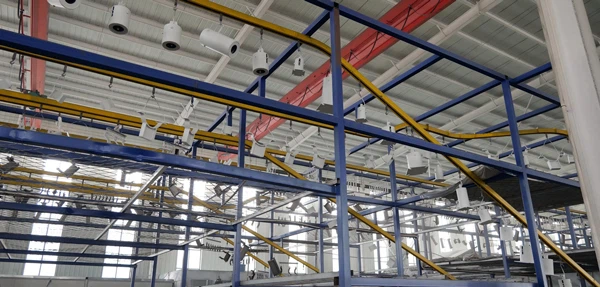
Advanced Chinese plants utilize 5-axis CNC laser cutting, automated plasma beveling, robotic submerged arc welding (SAW), and digital hydraulic press brakes to guarantee millimeter-level precision on heavy-wall steel saddle fabrications.
With immediate access to Ningbo-Zhoushan Port—the world's largest port by cargo tonnage—factories ensure rapid containerization, optimized ocean freight schedules, and expedited Customs processing for worldwide engineering deliveries.
The industrial pipe support sector is undergoing a rapid transition driven by severe decarbonization mandates, extreme-temperature process requirements (such as hydrogen fuel cells and LNG liquefaction), and smart infrastructure digitalization.
Modern mega-refineries are deploying smart pipe saddles equipped with integrated load cells, strain gauges, and wireless vibration sensors to monitor live thermal expansion stress and predict pipeline fatigue in real time.
Environmental regulations require eco-friendly expanding blowing agents in PIR/PUR cold support shoes. Leading factories use zero Ozone Depleting Potential (ODP) and ultra-low Global Warming Potential (GWP) chemical matrices.
Global seismic building codes demand pipe saddles and clevis hangers capable of absorbing multi-directional seismic acceleration forces, incorporating heavy-duty quick bracing clamps and dynamic spring hangers.
Pipe support saddles are specialized hardware components engineered to satisfy distinct structural and thermodynamic demands across diverse sector environments.
Requires High-Density PIR insulation blocks combined with stainless steel structural shoes to withstand liquid natural gas temperatures without brittle material fracturing or thermal bridge ice formation.
Utilizes heavy-duty carbon steel welded pipe shoes, high-precision spring hangers, and sliding saddles with hot-dip galvanized or epoxy coatings to handle continuous high-temperature thermal growth.
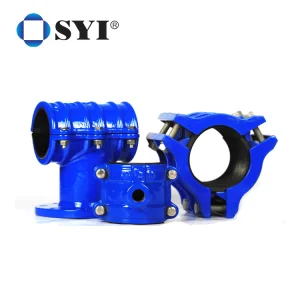
Employs Ductile Iron Tapping Saddles with stainless steel bands to create secure, leak-proof branch connections under pressure without disrupting main water main distribution services.
Incorporates roller head supports, rubber-lined pipe clamps, and insulated chilled water shoes to prevent vibration transmission, acoustic resonance, and condensation dampness inside buildings.
Demands Duplex 2205 or 316L stainless steel saddles featuring specialized fluoropolymer coatings designed to resist marine salt spray corrosion, wave action vibration, and structural flexure.
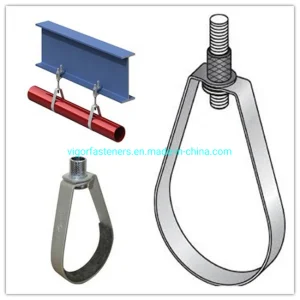
Utilizes UL/FM certified horseshoe clevis hangers, pear hangers, and quick bracing U-bolt clamps engineered to maintain water supply line stability during high-intensity seismic events.
When evaluating international pipe support saddle factories, engineering buyers and EPC procurement managers must conduct thorough auditing against international standards to mitigate project risk.
| Evaluation Metric | Standard Benchmark Requirement | Ningbo Ampy Pipe Assurance Standard |
|---|---|---|
| Material Traceability | EN 10204 3.1 Mill Test Certificates (MTC) | 100% Heat Batch Traceability on Raw Steel & PU |
| Welding Quality Standards | ASME IX / AWS D1.1 Welding Certification | Certified Robotic Welding + Visual & NDT Inspection |
| Insulation Performance | ASTM C591 High-Density PIR Foam Density | Density Range: 160 kg/m³ to 320 kg/m³ Tested |
| Surface Protection | ISO 12944 Corrosion Class C4/C5 Hot-Dip Galvanizing | HDG coating > 85 microns / Epoxy Powder Coated |
| Seismic Compliance | FM 1950 / UL 203 Approved Pipe Hangers | FM / UL Certified Production Lines |
Detailed engineering responses addressing crucial selection criteria, installation guidelines, and structural performance parameters for industrial pipe support systems.
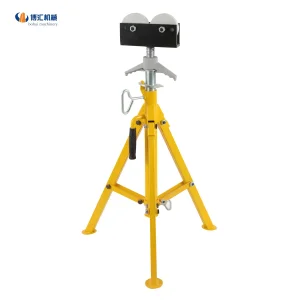
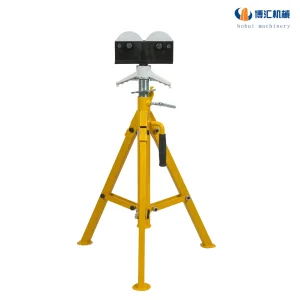
Explore our secondary line of heavy-duty clevis hangers, adjustable roller stands, sprinkler pipe clips, and specialized structural insulation supports.
 Ampy Pipe