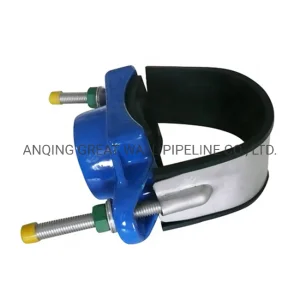
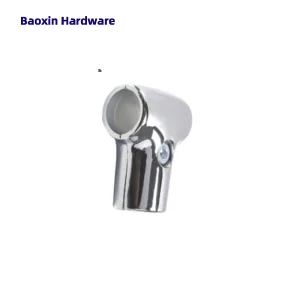
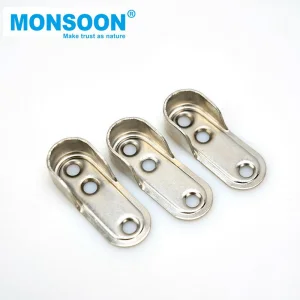
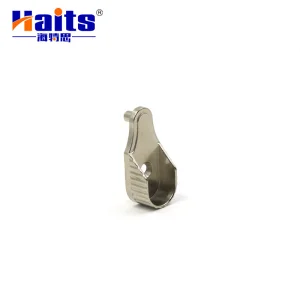
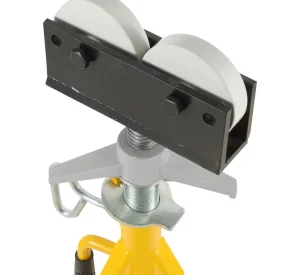
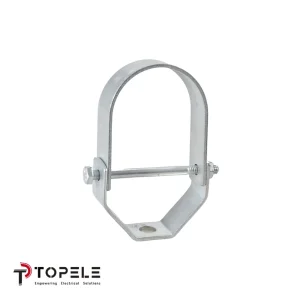
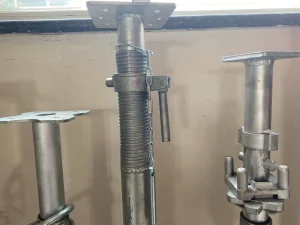
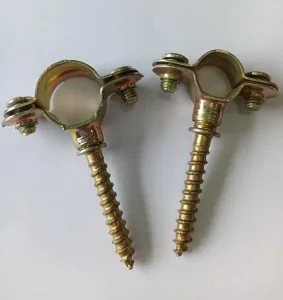
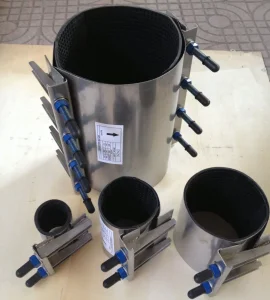
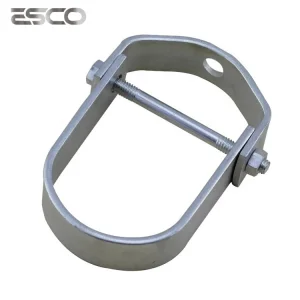
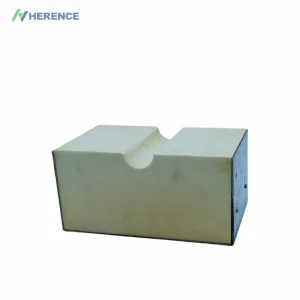
Explore our state-of-the-art structural solutions, ranging from heavy-duty industrial pipe shoes and thermal insulation systems to architectural tube brackets.
The critical role of Constant Load Hangers and support mechanisms in modern plant engineering.
In high-temperature and high-pressure piping systems—such as those found in petrochemical plants, coal-fired power stations, liquefied natural gas (LNG) carrier terminals, and heavy manufacturing installations—thermal expansion and contraction are inevitable. Standard variable hangers apply load proportional to their compression, which can introduce dangerous structural stresses on piping joints and sensitive equipment nozzles. This is where Constant Load Supports (Constant Hangers) become indispensable. They are engineered to deliver a consistent supporting force throughout the design deflection range, keeping stress levels within strict limits defined by international piping codes like ASME B31.1 and ASME B31.3.
The international business landscape for constant load supports is expanding rapidly, fueled by the global push for process safety, operational longevity, and cleaner energy transformation. Industrial operators are transitioning from reactive maintenance to lifecycle engineering, prioritizing heavy-duty hardware that limits mechanical wear. As key infrastructure projects scale globally, China has emerged as a hub for advanced piping support fabrication, combining high-grade metallurgical resources with cost-effective engineering. Manufacturers in Ningbo and other key coastal logistics clusters are meeting international demand by aligning with rigorous standards, including ASME, MSS SP-58, and CE approvals.
Engineering Excellence from Ningbo to Global Industrial Sectors
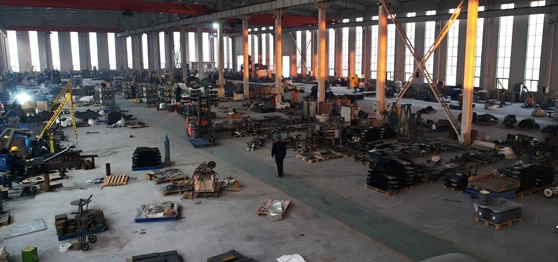
Ningbo Ampy Pipe Co., Ltd. is a professional manufacturer specializing in pipe support systems, including pipe shoes, cold pipe supports for refrigeration, and insulated pipe supports for industrial applications. Located in Ningbo, a major port city with strong manufacturing capabilities, the company benefits from efficient logistics and a well-developed industrial supply chain.
Founded in 2013, Ampy Pipe started as a small-scale supplier of basic pipe supports for local construction projects. With continuous investment in engineering expertise and production equipment, the company expanded its product range to include advanced insulated and cryogenic pipe support solutions. By 2018, Ampy had entered international markets, supplying customized support systems for clients in the oil & gas, HVAC, petrochemical, and refrigeration industries.
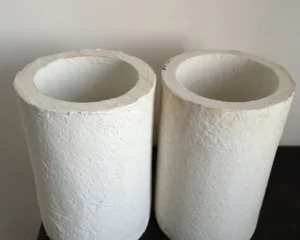
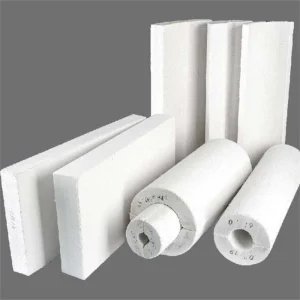
The company offers a wide range of products, such as pipe shoes, sliding and fixed supports, pre-insulated pipe supports, and high-performance materials including polyurethane and calcium silicate supports. All products are designed to reduce heat loss, prevent corrosion, and ensure long-term system stability under extreme temperatures and operating conditions.
Ningbo Ampy Pipe Co., Ltd. operates under strict quality control standards and provides OEM/ODM services to meet diverse project requirements. With a commitment to innovation, durability, and customer satisfaction, Ampy continues to deliver reliable and cost-effective pipe support solutions to clients worldwide.
The shift toward smart piping networks, thermal efficiency, and sustainability
Modern constant load systems are incorporating smart strain gauges and displacement sensors to feed real-time structural health data to centralized control networks, enabling predictive maintenance.
The rapid growth of LNG infrastructure demands supports capable of handling temperatures as low as -196°C. High-density polyurethane (HDPE/PIR) shoes with stainless steel interfaces prevent cold bridging.
Sustainable manufacturing relies on green insulation materials like halogen-free, asbestos-free calcium silicate and ceramic fiber profiles, drastically reducing thermal losses in high-heat processes.
In addition to these structural trends, there is a pronounced focus on modular construction methods. EPC (Engineering, Procurement, and Construction) companies prefer pre-assembled and pre-calibrated constant support assemblies that can be bolted directly onto steel structures, minimizing hot-work and installation errors on-site. Precision calibration machines in factory environments ensure that every hanger is shipped pre-locked at its design cold-load setting, complete with travel stops that are removed only during commissioning.
Analyzing custom deployments across diverse operating parameters
In catalytic cracking and distillation columns, process piping moves vertically due to shifts of hundreds of degrees. Constant load supports carry the deadweight of these massive pipes without shifting the load onto high-value compressor housings, preventing alignment issues and seal leaks.
For liquefied natural gas systems operating near cryogenic limits, thermal insulation is critical to avoid structural steel embrittlement. Combining high-performance sliding shoes with specialized physical barriers, such as high-density polyurethane blocks, ensures secure sliding capabilities while eliminating thermal leakage pathways.
Offshore locations demand heavy marine protection. Galvanized steel supports, high-durability epoxy coatings, and marine-grade stainless steel assemblies (such as 304 or 316 formulations) are utilized to combat salt spray, high-humidity corrosion, and strong wind forces.
Designing modern piping infrastructure is a complex challenge that involves balancing mechanical strength, dynamic insulation properties, and material sciences. The engineering workflow starts with detailed pipe stress analysis—utilizing advanced computer design environments such as CAESAR II—to map out forces, displacement trajectories, and allowable nozzle loads. Once the calculations are completed, engineers select support systems to mitigate risks.
In systems where thermal expansion is minimal (typically under 12mm of vertical travel), variable spring hangers provide a practical, cost-effective solution. However, when the vertical travel exceeds this threshold, or if the piping is connected to sensitive equipment like turbines, boilers, or high-pressure pumps, the load variation of a standard spring hanger (which increases as the spring compresses) can easily exceed safe operating parameters. Constant load supports utilize a counterbalancing lever mechanism that changes the moment arm length in tandem with spring displacement. This mechanical design maintains a uniform supporting force throughout the displacement range, isolating connected equipment from dynamic piping loads.
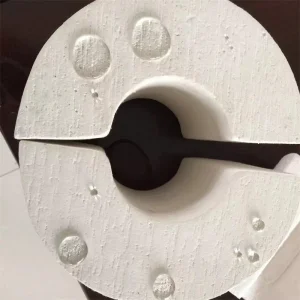
A key focus area in modern piping support design is preventing galvanic corrosion and heat-sink failures. Placing raw carbon steel directly against stainless steel piping is avoided to prevent galvanic interaction. Galvanized clamping bands, protective liners, and specialized sliding coatings (such as PTFE or graphite plates) are utilized. For high-temperature setups, integrating hydrophobic calcium silicate insulation blocks within the support shoe isolates the clamp from high temperatures, keeping the steel structure within its safe tensile range.
Engineered components designed for high durability, structural compliance, and precise installation parameters
Addressing common queries regarding stress analysis, load calculations, and design requirements
 Ampy Pipe