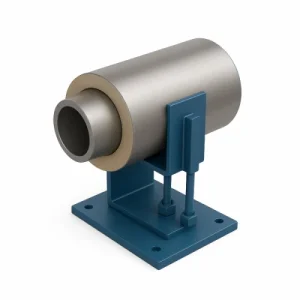
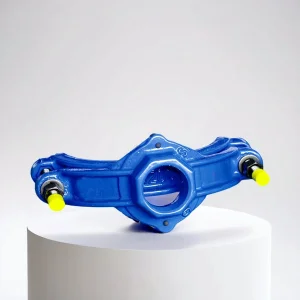
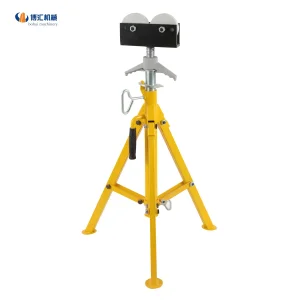
Heavy-duty pipe brackets represent the structural backbone of modern mechanical, electrical, and plumbing (MEP) systems, petro-chemical pipelines, and district heating/cooling infrastructure. Unlike standard domestic clips, industrial-grade hangers and brackets are engineered to withstand extreme static and dynamic loads, thermal expansions, vibrational forces, and corrosive environmental exposures. A system failure in a high-pressure line can result in catastrophic financial losses and safety hazards; therefore, sourcing these components requires an in-depth understanding of material science, stress profiles, and regulatory criteria.
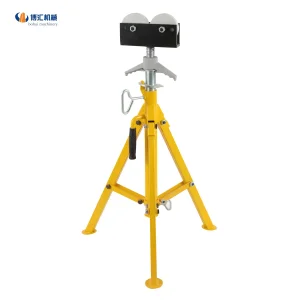
Engineering Insight: Standard-compliant heavy-duty support brackets are designed using Finite Element Analysis (FEA) to calculate load-bearing margins. When dealing with pipe diameters upwards of DN150 carrying thermal fluids, sliding and structural guide pipe shoes become essential to minimize stress concentrations on weld junctions.
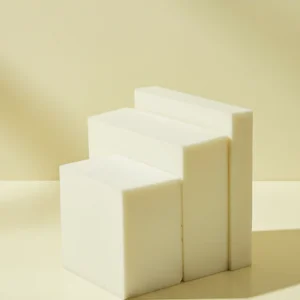
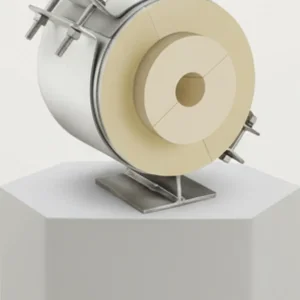
The selection of structural steel grades (such as Q235B, Q355B, Carbon Steel, and Grade 316 Stainless Steel) dictates the load envelope. Hot-Dip Galvanization (HDG) conforming to ISO 1461 serves as the standard protective barrier against oxidation in outdoor and maritime environments. For cryogenic processes, specialized non-metallic inserts or high-density polyurethane blocks are combined with the steel brackets to eliminate thermal bridging, preventing local structural failure due to freezing stresses.
Ningbo Ampy Pipe Co., Ltd. is a professional manufacturer specializing in pipe support systems, including pipe shoes, cold pipe supports for refrigeration, and insulated pipe supports for industrial applications. Located in Ningbo, a major port city with strong manufacturing capabilities, the company benefits from efficient logistics and a well-developed industrial supply chain.
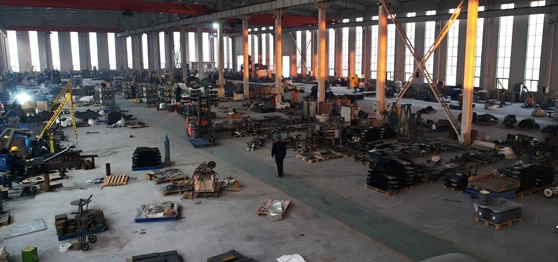
Founded in 2013, Ampy Pipe started as a small-scale supplier of basic pipe supports for local construction projects. With continuous investment in engineering expertise and production equipment, the company expanded its product range to include advanced insulated and cryogenic pipe support solutions. By 2018, Ampy had entered international markets, supplying customized support systems for clients in the oil & gas, HVAC, petrochemical, and refrigeration industries.
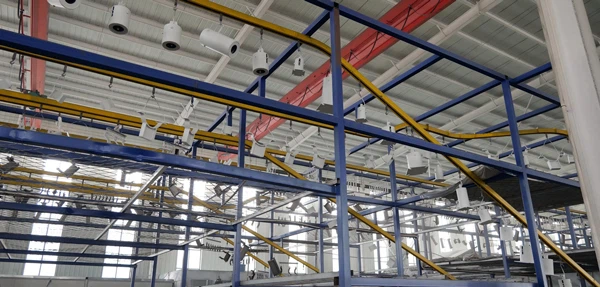
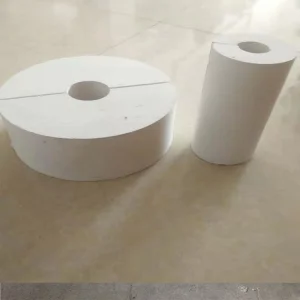
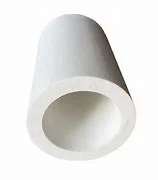
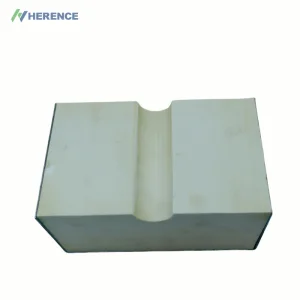
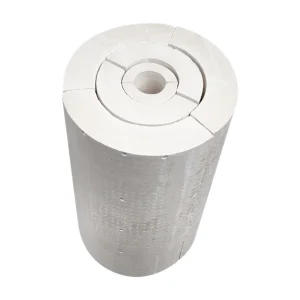
The company offers a wide range of products, such as pipe shoes, sliding and fixed supports, pre-insulated pipe supports, and high-performance materials including polyurethane and calcium silicate supports. All products are designed to reduce heat loss, prevent corrosion, and ensure long-term system stability under extreme temperatures and operating conditions. Operating under strict quality control standards, Ningbo Ampy Pipe Co., Ltd. provides comprehensive OEM/ODM services to satisfy diverse project needs worldwide.
Procurement directors and lead engineering consultants face multi-faceted challenges when identifying top tier pipe bracket manufacturers. A reliable supplier must offer more than just low per-unit pricing. For large-scale projects (e.g., LNG terminals, multi-megawatt data centers, chemical refineries), key criteria include:
Calculations verified by ANSYS or other mechanical modeling software are necessary to prove the bracket will not flex beyond safety margins under thermal loading.
Providing test certification for Hot-Dip Galvanization thickness (averaging >85 microns) and salt spray resistance up to 1000 hours.
Assurance of steel raw material reservation and fast production cycles to secure project progression and avoid critical bottlenecks.
The concentration of industrial steel manufacturing in Zhejiang province (particularly in cities like Ningbo) offers a compelling supply chain ecosystem. Unlike scattered production models, China’s industrial clusters benefit from a centralized logistics network and proximate raw material resources.
Key components of this supply chain dominance include:
This concentration allows Ningbo suppliers to offset high material costs and supply international markets with components that conform to ASTM, DIN, and JIS standards at competitive price points.
To successfully integrate Chinese manufactured pipe brackets into international projects, manufacturers must align with global design, safety, and performance standards. Procurement agencies typically demand compliance with the following international frameworks:
| Standard Organization | Applicable Code | Focus Area |
|---|---|---|
| MSS (Manufacturers Standardization Society) | MSS SP-58 / SP-69 | Materials, design, manufacture, selection, and application of pipe hangers and supports. |
| ASME (American Society of Mechanical Engineers) | ASME B31.1 / B31.3 | Power piping and process piping design guidelines, specifying allowable stresses on supports. |
| DIN / EN (European Norms) | DIN EN 13480-3 | Metallic industrial piping construction and design limits for structural support members. |
For countries like the USA and member states of the European Union, structural components must also carry certifications verifying mechanical properties. Top manufacturers maintain ISO 9001:2015 certifications and support third-party visual, dimensional, and welding inspections (such as SGS or Bureau Veritas) before loading at port.
Heavy-duty pipe brackets cannot be designed with a one-size-fits-all approach. The working environment defines the optimal component design. Below are three specialized scenarios where specialized engineering support is required:
Working environments below -160°C demand high-density Polyurethane (HDPU) or PIR insulated pipe supports. These supports isolate cold pipelines from metallic support steelwork to prevent condensation, icing, and thermal contraction stress that causes pipeline fracturing.
Steam lines at temperatures above 300°C experience significant expansion. High-density Calcium Silicate pipe shoes protect insulation shells while allowing the pipe to slide smoothly on PTFE sliding plates, minimizing stress transfers to civil structures.
Coastal utility networks require brackets capable of withstanding saltwater exposure. Brackets with heavy hot-dip galvanized coating (min. 85µm) or constructed with Duplex Stainless Steel guarantee an extended lifespan, preventing galvanic degradation.
The industrial piping support market is shifting from static, passive support elements to smart, optimized solutions. Key development trends reshaping production lines include:
1. Seismic Bracing & Dynamic Damping: As municipal safety rules tighten, standard hangers are being paired with specialized dynamic spring supports and seismic bracing. These elements dampen vibrations and protect lines from sudden movements caused by earthquakes or fluid hammering.
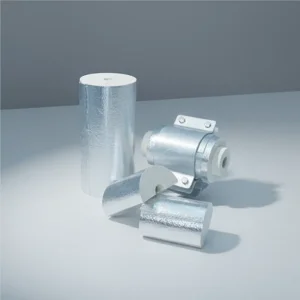
2. Pre-insulated Prefabricated Modules: Modern projects favor pre-insulated brackets directly manufactured in the factory (such as pre-integrated PIR or Calcium Silicate pipe carrier shoes). This minimizes field labor requirements and prevents insulation gaps during site installation.
3. Smart Sensors & IoT Integration: High-value pipelines are beginning to implement support shoes fitted with load cells and temperature sensors. These sensors monitor live stress values and thermal changes, helping maintenance teams detect potential issues before structural damage occurs.
 Ampy Pipe