Explore our precision-engineered selection of pipe supports, thermal shoes, and adjustable cantilever hangers designed for industrial piping networks.

In the design of modern industrial piping systems, maintaining mechanical integrity and accommodating dynamic operational loads are primary engineering requirements. Cantilever pipe supports stand as indispensable structural modules, specifically engineered to extend from vertical walls, structural steel columns, or concrete bulkheads. These systems suspend or support mechanical pipes, air ducts, and conduit lines without requiring vertical base-ground anchoring. By using cantilever configurations, design engineers overcome vertical spatial limitations, optimize structural footprints, and guarantee clear access zones underneath massive pipe networks.
At their structural core, cantilever pipe supports carry bending moments and shear stresses caused by heavy fluid contents, high-velocity thermal dynamics, and external environmental factors. Whether utilized in high-temperature steam lines, cryogenic petrochemical corridors, or municipal wastewater treatment installations, these components must satisfy strict requirements. A failure in structural calculation or material quality can cause system sag, thermal locking, stress accumulation, and pipeline ruptures. This is why EPC (Engineering, Procurement, and Construction) companies require strict OEM/ODM processes to configure cantilever brackets that match specific thermal displacements, mechanical load limits, and local building codes.
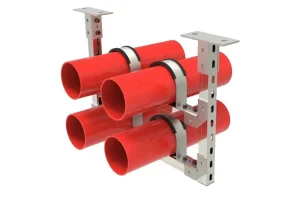
Engineered to transfer heavy bending forces away from piping joints and valves. Custom finite element analysis (FEA) ensures stress is safely distributed back to the primary structural columns.
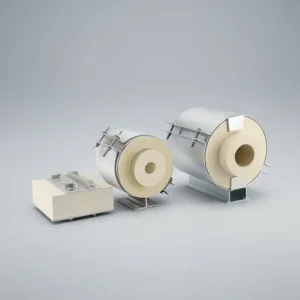
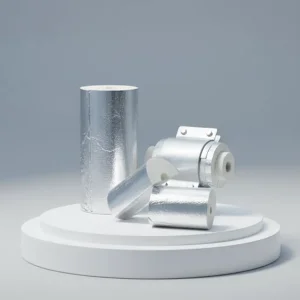
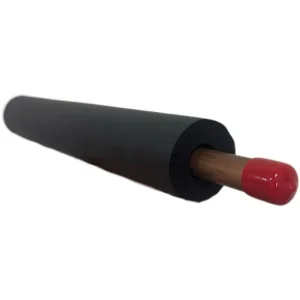
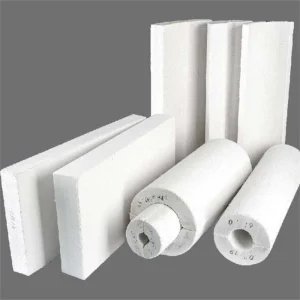
Incorporating advanced materials like calcium silicate and polyisocyanurate (PIR) to insulate warm or cryogenic pipes from the steel hanger, preventing structural condensation and heat loss.
Meets ASTM and UL standard guidelines for high-seismic active regions. Integrated braced components and dampeners limit cross-axis displacement during earthquake events.
The international demand for high-load cantilever pipe supports is surging, driven by a global transition in energy transport, smart manufacturing facilities, and strict seismic safety regulations. Industrial construction companies are pivoting toward pre-fabricated modular structural systems to reduce on-site labor and speed up project execution. In regions like North America, Europe, and the Middle East, massive expansions in LNG processing terminals, semiconductor cleanrooms, and chemical refinery loops have transformed standard pipe hangers into engineered components that must perform reliably for decades.
Furthermore, environmental agencies have implemented strict restrictions on energy losses from thermal piping, elevating the importance of pre-insulated pipe shoes and structural supports. Energy loss at support junctions is a common structural thermal bridge, making high-efficiency mechanical isolation essential. Industrial project developers require suppliers with the technical capability to configure, test, and manufacture bespoke supports that comply with ASME B31.1 / B31.3 and MSS SP-58 international pipeline design specifications.
| Sector / Vertical | Applicable Codes & Standards | Critical Engineering Requirements | Key Customization Needs |
|---|---|---|---|
| Oil, Gas & LNG Processing | ASME B31.3, ASTM-C533, MSS SP-58 | Extreme temperature variance (-196°C to 650°C), flame-retardant properties | Cryogenic cold shoes, heavy-duty sliding structural supports |
| HVAC & Refrigeration | ASHRAE Guidelines, ASTM D1622 | Thermal isolation, moisture condensation control, sound dampening | PIR insulated supports, adjustable conduit hangers |
| Seismic Construction | IBC (International Building Code), ASCE 7 | Horizontal displacement management, energy absorption | Braced seismic brackets, dual-axis clevis clamps |
| Chemical & Offshore Marine | ISO 12944 (C5-M), ASTM A123 | High corrosion immunity, resistance to marine salt sprays | Hot-dip galvanized steel, fiberglass (FRP) structures |
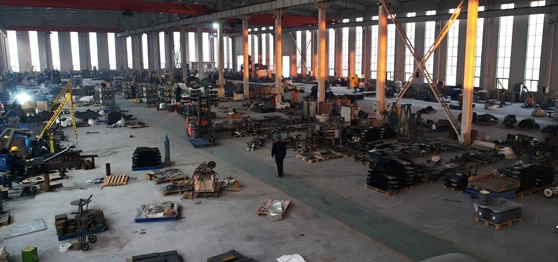
Sourcing industrial cantilever brackets from China offers structural quality and cost advantages, thanks to the country's integrated supply chains. The city of Ningbo is a premier hub for hardware manufacturing and precision metal stamping. Ningbo's industrial cluster includes raw material suppliers, hot-dip galvanization facilities, automated laser-cutting stations, and robotized welding workshops. This concentration of specialized services allows manufacturer lead times to be compressed compared to fragmented Western supply bases.
Furthermore, Ningbo-Zhoushan Port, one of the world's busiest container hubs, provides direct access to international sea shipping routes. This proximity minimizes inland freight costs, simplifies export customs clearance, and allows manufacturers to offer competitive pricing. With integrated material sourcing and direct port logistics, Ningbo factories can manufacture custom OEM/ODM components, perform stress testing, and ship products to projects globally within tight timeframes.
Different environments present unique engineering challenges. Our cantilever solutions are designed to perform reliably across varied industrial applications:
In environments with persistent exposure to saltwater, standard structural steel quickly degrades. Our solutions utilize thick hot-dip galvanization conforming to ASTM A123 or Duplex stainless steels. We supply these systems to offshore gas platforms to support heavy utility lines, maintaining structural integrity against waves and winds.
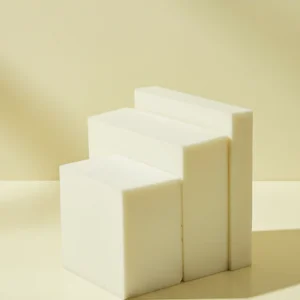
Refrigeration lines require thermal barrier supports to prevent energy loss and moisture condensation. Our pre-insulated pipe shoe systems, integrated with high-density polyurethane foam or calcium silicate blocks, isolate the cold carrier line from the steel cantilever bracket, preventing condensation run-off and rust.
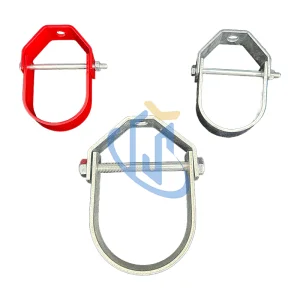
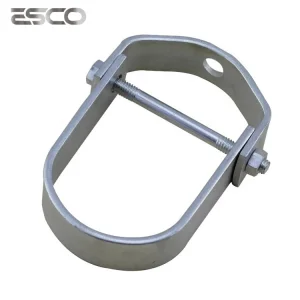
In regions prone to seismic events, standard rigid hangers can fail. Our seismic-rated cantilever support assemblies utilize heavy-duty clevis designs and earthquake-resistant diagonal bracing. These components allow controlled movement, absorbing kinetic energy and preventing pipe rupture.
Ningbo Ampy Pipe Co., Ltd. is a professional manufacturer specializing in pipe support systems, including pipe shoes, cold pipe supports for refrigeration, and insulated pipe supports for industrial applications. Located in Ningbo, a major port city with strong manufacturing capabilities, the company benefits from efficient logistics and a well-developed industrial supply chain.
Founded in 2013, Ampy Pipe started as a small-scale supplier of basic pipe supports for local construction projects. With continuous investment in engineering expertise and production equipment, the company expanded its product range to include advanced insulated and cryogenic pipe support solutions. By 2018, Ampy had entered international markets, supplying customized support systems for clients in the oil & gas, HVAC, petrochemical, and refrigeration industries.
The company offers a wide range of products, such as pipe shoes, sliding and fixed supports, pre-insulated pipe supports, and high-performance materials including polyurethane and calcium silicate supports. All products are designed to reduce heat loss, prevent corrosion, and ensure long-term system stability under extreme temperatures and operating conditions.
Ningbo Ampy Pipe Co., Ltd. operates under strict quality control standards and provides OEM/ODM services to meet diverse project requirements. With a commitment to innovation, durability, and customer satisfaction, Ampy continues to deliver reliable and cost-effective pipe support solutions to clients worldwide.
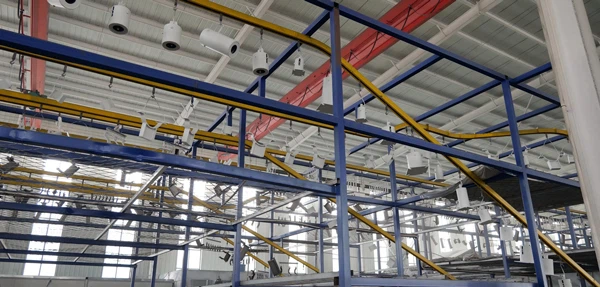
For global procurement managers and structural engineering leads, identifying the right manufacturing partner for custom pipe supports is crucial for long-term project performance. To minimize operational risks, the selection process should prioritize structural testing verification over low initial cost. When evaluating a potential OEM/ODM supplier, verify their capability to provide material test reports (MTRs) and weld certification papers, such as AWS D1.1 or ASME Section IX.
Furthermore, for insulated or cryogenic pipe support systems, verify the thermal conductivity ratings and flame retardancy certificates (such as Class 0 or Class 1 ratings) of the insulation materials. Partnering with manufacturers who operate ISO-certified testing labs ensures that structural testing—including tensile strength, shear load capacity, and cycle testing—is conducted under controlled conditions. This level of quality verification prevents unexpected failures during high-stress industrial operations.
Discover our specialized insulation systems, heavy-duty hangers, and composite supports for complex mechanical piping layouts.
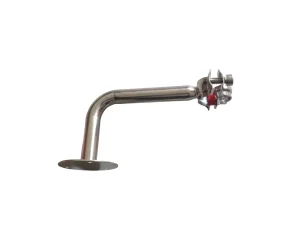
Get answers to critical technical questions regarding the configuration, testing, and deployment of cantilever piping supports.
 Ampy Pipe