In industries worldwide, piping systems are vital for efficient operations. Understanding how to improve piping system efficiency is crucial for reducing costs and enhancing productivity. Efficient piping systems can lower energy consumption, minimize leaks, and ensure the seamless flow of materials.
However, achieving optimal efficiency is not straightforward. Many companies struggle with outdated technologies and poor maintenance practices. A lack of training often leads to mistakes that could have been avoided. Additionally, environmental factors and system design elements can hinder performance. Addressing these issues is essential for long-term improvements.
This article will explore the top ten ways to enhance piping system efficiency globally. It will provide practical strategies backed by industry expertise. Each method aims to empower organizations to make informed decisions, driving efficiency and fostering sustainability. The journey towards more efficient piping systems begins with a clear understanding of existing challenges and opportunities.
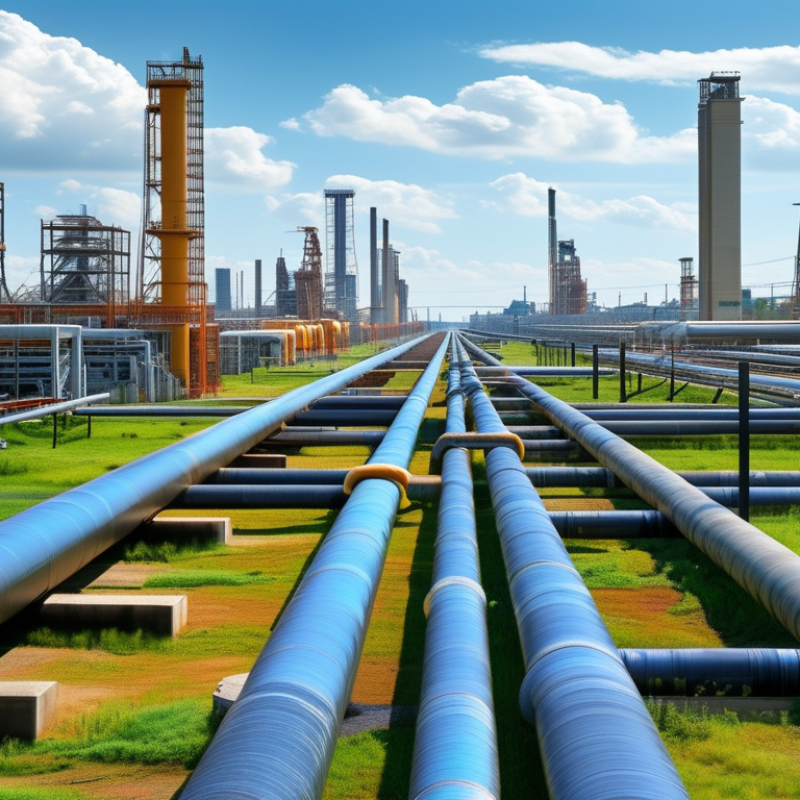
Insulation plays a critical role in enhancing the efficiency of piping systems. Properly insulated pipes maintain the desired temperature of fluids, minimizing energy loss. This, in turn, reduces the need for excessive heating or cooling, resulting in lower operational costs. Selecting the right insulation material is essential. Materials should be durable and have a low thermal conductivity to achieve the best results. However, it's easy to overlook things like moisture barriers. Inadequate moisture control can undermine insulation performance over time.
Another aspect to consider is the installation process. Proper installation ensures that insulation fits tightly around pipes, eliminating gaps. Gaps can lead to heat loss and even condensation, creating further problems. Regular inspections are vital. They allow for the identification of wear and tear. Small damage can escalate if ignored. Maintenance personnel should be trained to recognize signs of insulation failure. A proactive approach to insulation management can save significant costs in the long run. These are areas where even experienced teams sometimes falter; vigilance is key.
Advanced materials play a crucial role in enhancing flow efficiency within piping systems. These materials can significantly reduce friction and resistance, leading to optimal fluid movement. According to a recent study by the American Society of Mechanical Engineers (ASME), using polymers and composite materials can lower energy losses by up to 30%. This reduction not only conserves energy but also decreases maintenance costs.
The introduction of advanced coatings can also yield impressive results. For instance, superhydrophobic coatings can minimize drag in fluid transport systems. This technology allows droplets to slide off easily, maintaining smooth flow. The National Institute of Standards and Technology (NIST) reports that implementing such coatings can improve overall system efficiency by 20-25%. However, it's essential to ensure these materials are compatible with existing pipelines to avoid unforeseen failures.
Despite these advancements, challenges remain in material integration and long-term performance. Not all advanced materials perform well under varying environmental conditions. Some may degrade faster than traditional materials, leading to unexpected maintenance needs. Addressing these concerns is vital for the overall efficiency and reliability of piping systems globally. Quality control and thorough testing are necessary to mitigate risks.
Regular maintenance and inspection practices are crucial for improving piping system efficiency. By consistently monitoring system performance, operators can identify issues before they escalate. This proactive approach saves time and reduces costs. Neglecting these practices often leads to serious problems like leaks or system failures.
Conducting routine inspections allows for early detection of wear and tear. Operators should check for corrosion or blockages regularly. Small changes can lead to significant inefficiencies. Keeping records of inspections can also help track the system's condition over time.
Tips: Always establish a maintenance schedule. Use visuals or digital tools to assist in inspection processes. Training staff on proper procedures improves overall effectiveness. Finding a balance in workload is essential; overburdened teams may overlook critical checks. Continuous improvement should be a part of daily operations, not just a periodic task.
Integrating smart technologies can significantly enhance the efficiency of piping systems. Real-time monitoring allows for immediate data collection and analysis, enabling operators to identify issues before they escalate. By utilizing sensors and IoT devices, plants can track flow rates, pressure levels, and temperature changes dynamically. This data fosters proactive maintenance, which is essential for reducing downtime.
One effective tip is to install flow meters within the piping system. These devices provide continuous feedback. They help in optimizing the flow, thereby ensuring that energy isn't wasted. Regular calibration of these meters is crucial to maintain accuracy. Additionally, employing predictive analytics can help foresee potential blockages or leaks, enhancing performance.
Another valuable approach is integrating advanced control systems. These systems adjust operations based on real-time data. Such integrations lead to improved energy utilization. Operators can respond to trends almost instantly. However, this requires investment and training. Ensuring staff is well-versed in technology is vital for success. It’s an area that often needs reflection and improvement, as ongoing training can be overlooked.
| Method | Technology Used | Impact on Efficiency (%) | Cost Savings ($) | Implementation Time (Months) |
|---|---|---|---|---|
| Real-Time Monitoring | IoT Sensors | 15 | $20,000 | 6 |
| Predictive Maintenance | Machine Learning | 20 | $25,000 | 8 |
| Leak Detection | Ultrasonic Sensors | 10 | $15,000 | 4 |
| Energy Optimization | Smart Controllers | 25 | $30,000 | 12 |
| Data Analytics | Big Data Tools | 18 | $22,000 | 10 |
| Automated Reporting | Software Solutions | 12 | $18,000 | 5 |
| Training Personnel | E-Learning Platforms | 8 | $5,000 | 3 |
| Integration of Systems | Cloud Services | 16 | $28,000 | 11 |
| Remote Control Systems | Wireless Technology | 14 | $19,500 | 7 |
| Simulation Models | 3D Modelling Software | 22 | $32,000 | 9 |
Piping systems are crucial in various industries, affecting efficiency and energy use significantly. Optimizing system design can drastically reduce pressure loss, which directly impacts energy consumption. According to the American Society of Mechanical Engineers (ASME), an estimated 30% of energy is lost due to inefficient piping systems. Reducing friction losses is essential for any operation aiming to save costs and energy.
One approach is to select the right material and diameter for pipes. A well-sized pipe minimizes turbulence, which translates into less pressure loss. For instance, using smoother materials can reduce friction by up to 50%, according to recent industry studies. This not only improves flow rates but also saves energy.
Tips: Regularly assess your systems. Monitor flow rates and identify leaks. Simple maintenance can result in substantial savings.
Incorporate insulation around piping where possible. Insulation helps maintain temperature and reduce energy waste. On the downside, installation costs can be high. A careful cost-benefit analysis is essential to justify these investments.
Awareness of the unique characteristics of your piping can lead to innovative design strategies. Continuous improvement is necessary, as even minor enhancements can accumulate into significant gains over time.
: Advanced materials reduce friction and resistance, leading to better fluid movement in piping systems.
Advanced materials can lower energy losses by up to 30%, saving energy and maintenance costs.
These coatings minimize drag in fluid systems, allowing droplets to slide off, maintaining smooth flow.
Implementing advanced coatings can enhance overall efficiency by 20-25%, according to NIST.
Regular maintenance helps identify issues early, preventing leaks and system failures, ultimately saving costs.
Operators should inspect for corrosion, blockages, and wear, as early detection can prevent significant inefficiencies.
Smart technologies enable real-time monitoring, allowing operators to detect and address issues before they escalate.
Flow meters provide continuous feedback, optimizing flow and preventing energy waste when properly calibrated.
Proper training for staff is crucial for the successful use of these systems to improve energy utilization.
Ongoing training may be overlooked, making it essential to ensure staff is well-versed in new technologies.
To improve piping system efficiency, it is essential to implement several key strategies. First, enhancing insulation in piping systems can significantly reduce energy loss and maintain optimal temperatures. Utilizing advanced materials can also lead to improved flow efficiency by minimizing friction and resistance. Regular maintenance and inspection practices play a vital role in identifying and addressing issues before they escalate, ensuring the system operates smoothly.
Moreover, integrating smart technologies for real-time monitoring allows for immediate detection of inefficiencies and timely adjustments. Finally, optimizing system design to reduce pressure loss and energy consumption is crucial for overall performance. By following these methods, organizations can effectively learn how to improve piping system efficiency, resulting in cost savings and increased sustainability.

Ampy Pipe