Insulation plays a vital role in pipe supports. It affects both thermal efficiency and structural integrity. Experts often emphasize its importance in industrial applications. According to Dr. Emily Carter, a leading engineer in thermal management, “Effective insulation in pipe supports prevents energy loss and enhances system reliability.”
When considering what is the role of insulation in pipe supports, we must recognize its impact on temperature regulation. Proper insulation minimizes heat transfer, which can lead to physical strain on the pipes. Additionally, it protects the pipes from moisture and corrosion. These factors can extend the lifespan of the system.
However, the installation of insulation requires careful consideration. Poor insulation can lead to unforeseen issues. Professionals must ensure it is applied correctly to mitigate risks. The need for constant evaluation and re-evaluation cannot be overstated. This introspection helps refine our understanding of how insulation contributes to overall system performance.
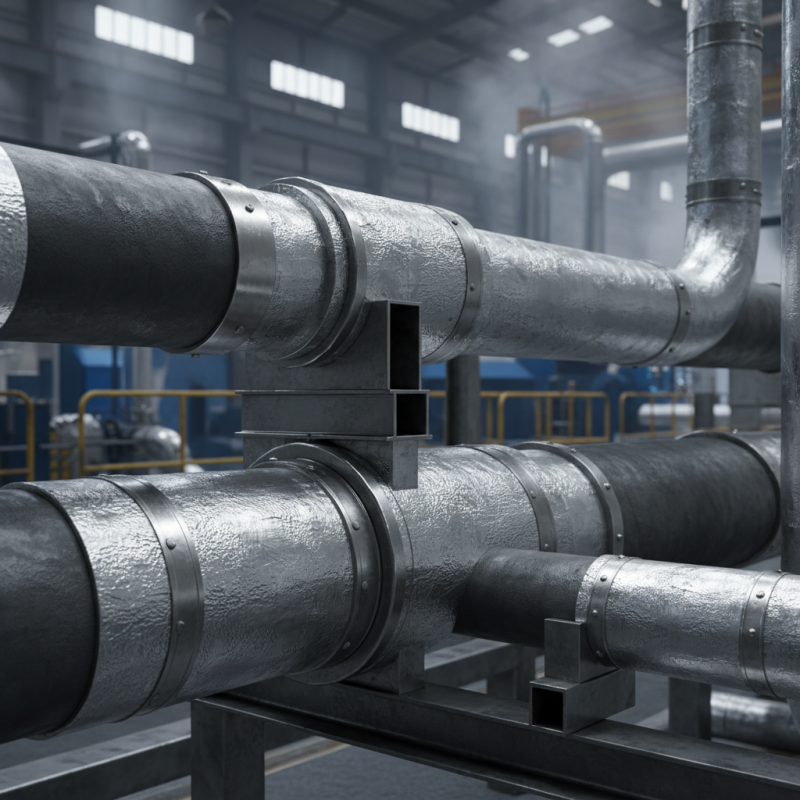
Insulation plays an essential role in pipe supports. It helps maintain the temperature of fluid within the pipes. Insulation also protects against heat loss during transit. In industries, this is crucial to energy efficiency. Proper insulation can prevent condensation and save significant operational costs.
Understanding the basics of pipe supports is key to effective insulation use. Pipe supports hold pipes in place and distribute their weight. If insulation is not applied correctly, it can lead to pipe expansion or contraction. These movements can damage supports, ultimately compromising the integrity of the entire system.
There are many factors to consider. The type of insulation, its thickness, and the installation method can all affect performance. Mistakes in these areas can lead to higher maintenance costs and inefficiencies. Regular inspection is vital, even if everything seems fine at first. It’s a delicate balance that requires attention and expertise.
Thermal insulation in pipe support systems plays a crucial role in energy efficiency. A study by the Insulation Contractors Association reported that effective insulation can reduce energy losses by up to 90%. Proper insulation ensures that the temperature of the fluid inside the pipes remains consistent, preventing heat loss during transit. This stability in temperature is vital for maintaining the integrity of transported materials.
One common mistake is insufficient insulation around pipe supports. This can lead to thermal bridging, where heat bypasses the insulation. According to the American Society of Heating, Refrigerating and Air-Conditioning Engineers (ASHRAE), poorly insulated piping can increase operating costs significantly. Regularly using thermal imaging can help identify areas needing better insulation.
Tips: Always select insulation materials that fit the specific application and environmental conditions. Consider the thermal conductivity ratings. This increases overall system efficiency while reducing long-term costs. Inspect insulation regularly for damage or wear. Small leaks or breaks can escalate energy losses. Upgrading insulation may seem costly at first, but it often leads to substantial savings over time.
| Dimension | Value | Importance |
|---|---|---|
| Pipe Diameter (inches) | 4 - 48 | Larger diameters require more insulation to prevent heat loss. |
| Insulation Thickness (inches) | 1 - 6 | Increased thickness enhances thermal efficiency and reduces energy costs. |
| Temperature Range (°F) | -50 to 1000 | Insulation materials must withstand specific temperature changes to be effective. |
| Material Type | Fiberglass, Foam, Mineral Wool | Material choice affects thermal resistance and durability. |
| Cost per Foot ($) | 0.75 - 5.00 | Budget constraints dictate insulation material selection. |
| Thermal Conductivity (BTU/hr·ft·°F) | 0.20 - 1.50 | Lower values indicate better insulation efficiency. |
In pipe applications, selecting the right insulation material is essential for efficiency. Industry standards such as guide insulation choices. They emphasize thermal resistance and moisture absorption levels. Proper insulation minimizes energy loss, enhancing system operation. Studies show that uninsulated pipes can lose up to 30% of energy in certain scenarios.
Consider the installation methods. Improper techniques can compromise insulation effectiveness. For instance, gaps in the insulation can cause significant heat loss. Industry reports indicate that up to 50% of insulated pipes exhibit temperature inconsistencies. These issues highlight the need for adherence to installation standards.
Material choice is also critical. Fiberglass and polyurethane are common, yet each has unique properties. Fiberglass is durable, while polyurethane offers superior thermal performance. A recent survey points out that 70% of engineers find material selection influences long-term performance. However, some may overlook cost factors initially. This can lead to higher long-term costs due to energy inefficiencies. Understanding these nuances aids in making informed choices that satisfy both performance and budgetary requirements.
Insulation in piping systems plays a crucial role in energy efficiency. When pipes are properly insulated, they maintain temperature more effectively. This reduces energy loss. By minimizing heat loss, insulation ensures the system operates efficiently. In industrial settings, this can lead to significant cost savings. Energy bills decrease when systems work optimally.
However, not all insulation is created equal. Choosing the right type and thickness is essential. Insufficient insulation can lead to condensation and corrosion. These issues not only affect energy efficiency but also the lifespan of piping systems. Regular inspections are necessary to assess insulation performance. Wear and tear can compromise their effectiveness.
Understanding insulation's role requires ongoing education and awareness. It is not enough to install insulation and forget it. Gathering data on performance and addressing gaps are vital steps. This ensures the insulation continues to contribute positively to energy efficiency. Industrial facilities must remain proactive. Continuous evaluation leads to improved energy management strategies.
When dealing with insulated pipe supports, several challenges frequently arise. One common issue is thermal bridging, where heat transfers through uninsulated metal components. This can lead to energy loss and increased operational costs. To mitigate this, using continuous insulation and ensuring the support material is compatible with the insulation can enhance performance.
Another challenge is moisture accumulation. Over time, pipes may develop condensation, which can compromise insulation integrity. This problem is often due to inadequate vapor barriers. Regular inspections are essential. If moisture is detected, replacing the insulation promptly is necessary. This action can prevent further degradation and protect the piping system.
Lastly, installation mistakes can hinder the effectiveness of insulation in pipe supports. Misalignment or improper spacing can create weak points. Conducting thorough training for installers can reduce these errors. Establishing clear standards for installation ensures that each project not only meets safety guidelines but also performs effectively. Awareness of these common pitfalls is crucial for improving insulation reliability in pipe supports.
: It's essential to consider thermal resistance and moisture absorption when choosing insulation materials.
Improper techniques can create gaps, leading to significant heat loss and temperature inconsistencies in insulated pipes.
Different materials like fiberglass and polyurethane impact long-term performance significantly, yet costs can be overlooked initially.
Proper insulation helps maintain temperature, reducing energy loss and ensuring systems operate efficiently, leading to lower energy bills.
Insufficient insulation can lead to condensation and corrosion, affecting both energy efficiency and the lifespan of piping systems.
Regular inspections assess wear and tear, ensuring insulation effectively contributes to energy efficiency over time.
Thermal bridging occurs when heat transfers through uninsulated components, leading to energy loss. Continuous insulation can help.
Inadequate vapor barriers can cause moisture accumulation, compromising insulation. It's important to check for moisture regularly.
Thorough training for installers and clear installation standards can minimize misalignment and improper spacing issues.
Continuous evaluation and addressing performance gaps ensure insulation remains effective in contributing to energy efficiency.
Understanding the role of insulation in pipe supports is crucial for ensuring the efficiency and longevity of piping systems. Insulation serves multiple purposes, including reducing heat loss, minimizing condensation, and enhancing energy efficiency. By incorporating thermal insulation into pipe support systems, industries can meet necessary standards for material selection while also addressing common challenges, such as preventing corrosion under insulation and maintaining structural integrity.
Effective insulation not only plays a fundamental role in protecting pipes but also contributes to significant energy savings and operational performance. From understanding the basics of pipe supports to tackling solutions for insulated pipe challenges, recognizing what is the role of insulation in pipe supports helps engineers and designers create more resilient and efficient piping infrastructures.

Ampy Pipe