Pipe systems are vital in various industries, but they are often subjected to stress and damage. Understanding how to prevent pipe stress and damage is crucial for maintaining system integrity. Effective management can reduce costly repairs and downtime.
When installing or maintaining pipeline systems, several factors contribute to stress. These include temperature changes, external forces, and excessive vibration. Each of these can lead to significant issues if not addressed properly. Pressure fluctuations can also exacerbate these problems, creating a cycle of damage that is difficult to break.
The use of quality materials and proper installation techniques can mitigate risks. Regular inspections and maintenance are also key. However, many systems still fail due to overlooked details. It's essential to learn from these failures and reinforce best practices in pipeline management for long-term success.
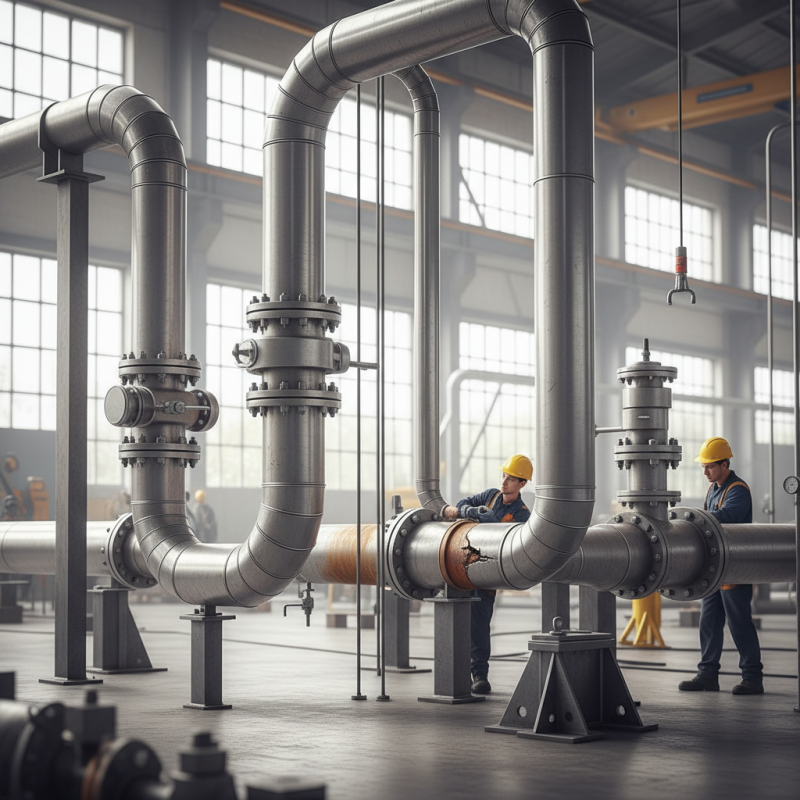
Pipe stress is a critical concern in many industrial systems. Understanding its effects can help maintain system integrity. Pipe stress arises from thermal expansion, pressure changes, and external forces. When not managed, it can lead to cracks or failures. This is particularly devastating for systems carrying hazardous materials or high-pressure fluids.
Preventing pipe stress begins with proper pipe support. Ensure supports are adequately spaced and designed to accommodate movement. This can reduce unnecessary strain. Regular inspections also help identify wear and fatigue in pipe systems. Look for signs of stress like cracks, corrosion, or misalignment.
Another important tip is to monitor temperature changes. Sudden temperature fluctuations can increase stress levels. Implementing expansion joints can alleviate pressure caused by thermal expansion. Design systems with flexibility in mind. Use flexible materials or layout designs that allow for movement. Addressing these factors can significantly enhance the durability of piping systems.
This bar chart illustrates the importance level of various tips to prevent pipe stress and damage in systems. Each tip is rated on a scale from 1 to 10, indicating its significance in maintaining system integrity and preventing damage.
Pipe stress can lead to significant issues in various systems. Understanding its common causes is crucial for effective prevention. Temperature fluctuations often cause pipes to expand or contract. This change can create stress at joints. Improper installation also contributes to the problem. When pipes are not aligned correctly, they may bend or twist under pressure.
To minimize pipe stress, consider regular inspections. Routine checks help identify wear and tear early. Pay close attention to the supports and hangers. Ensure they are positioned correctly to allow movement. Another tip is to use flexible connectors. These components can absorb movement and relieve pressure points in the system.
Monitoring system temperatures is essential. Ensure they remain within the designed limits. High temperatures can escalate stress levels. Additionally, avoid overloading pipes with excessive weight. This can cause sagging and lead to further complications. Implementing these tips can enhance the reliability of your systems. Each step helps reduce risks associated with pipe stress.
Implementing proper support and anchoring techniques is crucial for preventing pipe stress and damage in systems. The right supports can absorb vibrations and reduce movement. Insufficient support can lead to sagging or bending. This affects the entire pipeline and increases wear. Ensure that anchors are installed at critical locations. They should withstand the dynamic loads of the system.
Another point to consider is the spacing between supports. It must align with the pipe’s size and material. Too far apart, and pipes may flex. Too close, and installation can become complicated. Evaluate the environmental conditions, like temperature fluctuations. Expansion and contraction require adequate spacing and support adjustments.
Regular inspections help identify potential issues early. Look for signs of stress, such as cracks or misalignments. It’s common to overlook minor issues that can escalate. Maintain detailed records of all support placements and modifications. This helps during future assessments. Reflecting on your existing support systems can reveal areas for improvement.
Maintaining temperature control within pipe systems is crucial to prevent stress and damage. Temperature fluctuations can cause pipes to expand and contract. This movement may lead to bends or even cracks over time. Understanding material properties is essential. Different materials respond differently to temperature changes. For example, metal may expand more than plastic. Engineers must consider these differences when designing systems.
Regular monitoring of temperature is important. This can help identify potential issues before they escalate into serious problems. Using insulation can aid in maintaining consistent temperatures. It slows down temperature change, protecting the pipes. Additionally, installing expansion joints allows for movement. They accommodate thermal fluctuations, reducing stress on the pipes. Proper installation is key, as poorly installed joints can lead to leaks.
Despite best practices, some systems still face challenges. Aging infrastructure can exacerbate issues. Regular inspections are necessary to catch signs of wear. Sometimes, even with precautions, unexpected events occur. Natural disasters or sudden temperature shifts can wreak havoc. Therefore, a proactive approach is vital. Emphasizing preventive measures can ultimately extend the lifespan of pipe systems.
Regular inspection and maintenance are crucial in preventing damage to piping systems. A study by the American Society of Mechanical Engineers (ASME) indicates that 30% of all mechanical failures are attributed to poor maintenance practices. Regular checks can identify minor issues before they escalate into costly repairs or system failures. For instance, cracking and corrosion, often unnoticed, can lead to significant leaks and extensive damage.
Implementing a schedule for routine inspections can greatly reduce risks. Data from the National Fire Protection Association (NFPA) shows that 25% of businesses suffer property damage annually due to plumbing failures. Inspections should focus on joints, connections, and areas prone to stress accumulation. Properly training maintenance staff is equally important. They need to understand the materials used and the specific conditions of the systems in place.
Investing in technology to monitor system performance is highly effective. IoT solutions can provide real-time data and alerts. However, many organizations still rely on outdated methods. This gaps in maintenance protocols often lead to overlooked issues. Those who neglect inspection routines may face not only financial challenges but also potential safety hazards. Assessing current practices regularly can help identify areas for improvement.
| Tip No. | Tip Title | Description | Frequency |
|---|---|---|---|
| 1 | Regular Inspections | Conduct thorough system inspections to identify wear and tear. | Monthly |
| 2 | Temperature Monitoring | Install sensors to monitor temperature fluctuations. | Continuous |
| 3 | Vibration Analysis | Analyze vibrations to detect misalignment or imbalance. | Quarterly |
| 4 | Proper Support Installation | Ensure supports are properly designed for load and thermal movements. | At installation |
| 5 | Use of Expansion Joints | Incorporate expansion joints to accommodate thermal expansion. | At installation |
| 6 | Chemical Compatibility Checks | Ensure pipe materials are compatible with the transported chemicals. | Yearly |
| 7 | Routine Cleaning | Regularly clean pipes to prevent buildup that can cause stress. | Monthly |
| 8 | Monitor Pressure Levels | Keep track of pressure levels to avoid overpressure situations. | Continuous |
| 9 | Employee Training | Train staff on proper handling and maintenance procedures. | Annually |
| 10 | Documentation of Maintenance | Keep records of all inspections and maintenance performed. | Ongoing |
: Temperature fluctuations cause pipes to expand and contract. This creates stress at joints. Improper installation can further contribute to the problem.
Regular inspections help identify early signs of wear and tear. Check supports and hangers for proper positioning.
Proper spacing aligns with pipe size and material. Too far apart can cause flexing. Too close can complicate installation.
Maintaining temperature prevents expansion and contraction. It protects pipes from bending or cracking over time.
Reflecting on current supports can reveal areas needing improvement. Keep detailed records of placements for future assessments.
Flexible connectors absorb movement. They help relieve pressure points, which reduces overall stress in the pipe system.
Aging infrastructure can worsen existing issues. Regular inspections are crucial to catch wear before it escalates.
Expansion joints accommodate thermal fluctuations. They allow movement, reducing stress on pipes when temperatures change.
Proper installation of supports and joints is key. Poorly installed joints can lead to leaks and further complications.
Yes, natural disasters or sudden temperature shifts can disrupt systems. A proactive approach is necessary to mitigate risks.
In order to understand how to prevent pipe stress and damage, it is essential to first grasp the concept of pipe stress and its effect on system integrity. Pipe stress often arises from various factors, such as thermal expansion, pressure changes, and improper positioning. By identifying these common causes, systems can be better designed to accommodate stress and prevent potential failures.
Implementing effective support and anchoring techniques is crucial in minimizing pipe stress. Regular inspections and maintenance also play a vital role in ensuring the longevity of piping systems. Additionally, maintaining temperature control helps manage expansion and contraction, further reducing stress on the pipes. By combining these strategies, operators can significantly mitigate the risk of pipe-related issues, ensuring a more reliable and efficient system.

Ampy Pipe