10 Reasons Why Insulated Pipe Supports Are Necessary?

Time:2026-05-25 Author:Aria
0%

Insulated pipe supports play a vital role in various industries. Understanding why insulated pipe supports are necessary can help ensure system integrity and efficiency. These supports provide crucial thermal insulation, preventing heat loss and energy waste. They also mitigate risk related to condensation, avoiding corrosion and leaks in pipes.

Choosing the right insulated pipe supports can be complex. Different materials and designs exist, each offering unique benefits. The effectiveness of these supports often depends on proper installation and maintenance. Ignoring these factors can lead to issues such as failure in thermal performance and increased operational costs.

Recognizing how insulated pipe supports function allows for improved decision-making. It highlights the importance of investing in quality products. Many overlook this component, yet its impact on overall system reliability is significant. Without proper insulation, systems may suffer from reduced efficiency and higher energy consumption. Understanding the necessity of insulated pipe supports can ultimately guide toward better engineering practices and results.
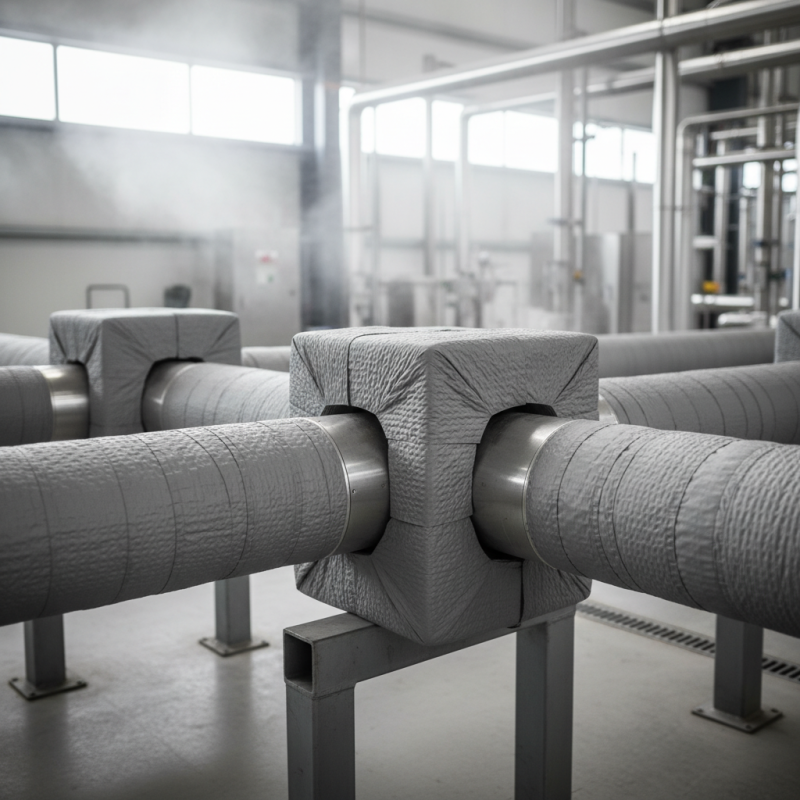
10 Reasons Why Insulated Pipe Supports Are Necessary?

Importance of Thermal Insulation in Pipe Systems

Thermal insulation is crucial in pipe systems for many reasons. It prevents heat loss in hot water pipes and reduces condensation in cold water pipes. An insulated system helps maintain the desired temperature of fluids. When pipes are not insulated, energy losses can lead to higher utility costs, impacting budgets.

The effectiveness of thermal insulation also extends to safety and durability. Insulated pipe supports help minimize thermal expansion and contraction. This protection can prolong the life of a piping system, reducing maintenance needs. However, insulation materials must be installed properly. Improper installation can lead to moisture buildup, which compromises insulation integrity.

Many overlook the importance of regular inspections. It ensures that insulation is intact and functional. Assessing the condition of insulation can prevent costly failures. A well-maintained insulated system can enhance overall efficiency and reliability. Both design and material choices matter significantly in performance. So, it’s worth reflecting on the current practices and identifying areas for improvement.

Preventing Corrosion and Damage with Insulated Pipe Supports

Insulated pipe supports play a crucial role in preventing corrosion and damage in piping systems. These supports provide thermal insulation and help maintain the temperature of the pipes. This insulation is essential in minimizing condensation. When moisture accumulates, it can lead to rust and corrosion. By using insulated supports, facilities can significantly extend the lifespan of their systems.

Corrosion not only degrades the pipes but can also leak damaging fluids. This situation poses safety risks and environmental concerns. Moreover, replacing corroded pipes can be costly and time-consuming. Insulated supports help maintain structural integrity and prevent this deterioration. They serve as an investment in long-term maintenance and safety.

Despite their benefits, some may overlook the importance of these supports. This neglect can result in unnoticed wear over time. Regularly checking and maintaining insulated pipe supports is vital. Awareness and proactive measures can save on maintenance costs in the long run. Investing in insulated pipe supports is a practical decision for any facility looking to reduce risk and enhance performance.

Enhancing Energy Efficiency Through Proper Pipe Insulation

Insulated pipe supports play a crucial role in enhancing energy efficiency. According to the U.S. Department of Energy, poorly insulated piping systems can lose up to 30% of their energy. This loss not only increases operational costs but also contributes to higher carbon emissions. Insulated pipe supports minimize heat loss in hot water systems and reduce heat gain in chilled water systems.

Proper insulation limits condensation on pipes, which can cause corrosion and other damages. A study by the National Insulation Association revealed that using high-quality insulation can save facilities up to 50% on energy costs. These savings make the initial investment in insulated pipe supports worthwhile. Additionally, the lifespan of piping systems is prolonged by reducing thermal stress and preventing moisture-related damage.

However, achieving optimal energy efficiency requires ongoing evaluation. Insulation materials degrade over time, and regular inspections are necessary. Some facilities may overlook this maintenance, leading to inefficient systems. Relying solely on insulation without considering other factors can be flawed. Every facility should prioritize a holistic approach to energy management, ensuring that insulation work is performed professionally and inspected regularly.

10 Reasons Why Insulated Pipe Supports Are Necessary

Mitigating Noise and Vibration with Insulated Pipe Supports

Insulated pipe supports play a crucial role in managing noise and vibration in various industrial settings. These supports help absorb and dampen sound waves generated by fluid movement. Without proper insulation, these vibrations can transmit through the piping system, creating unwanted noise levels. The use of insulated supports minimizes this transmission, contributing to a more peaceful work environment.

Additionally, insulated pipe supports enhance overall system performance. By reducing vibrations, they prevent damage to pipes and connected equipment. This can lead to increased reliability and longevity of both the piping system and the support structures. Despite their benefits, some might overlook their importance, leading to potential maintenance issues. It’s essential to regularly evaluate the condition of these supports to ensure they perform effectively.

Moreover, the choice of material and design influences their effectiveness. Engineers should consider factors such as the type of vibration, pipe size, and insulation requirements when selecting supports. This decision-making process can be challenging. A misstep can lead to inefficiencies in noise reduction. Regular assessments and adjustments may be necessary to reap the full benefits of insulated pipe supports.

10 Reasons Why Insulated Pipe Supports Are Necessary

Reason Description Benefits
Noise Reduction Insulated pipe supports help minimize noise produced by vibrating pipes. Creates a quieter environment for occupants.
Vibration Isolation Isolates vibrations from machinery and equipment. Increases the longevity of both the pipes and surrounding structures.
Thermal Protection Prevents heat loss or gain in temperature-sensitive pipes. Improves energy efficiency in the system.
Condensation Control Minimizes condensation risk on chilled water pipes. Reduces water damage and mold growth.
Load Distribution Distributes weight evenly across supports. Enhances structural integrity and safety.
Corrosion Prevention Protects pipe surfaces from corrosive materials. Extends the lifespan of piping systems.
Flexibility in Installation Allows for easier adjustments during installation. Saves time and reduces labor costs.
Environmental Impact Can reduce noise pollution and resource waste. Supports sustainability initiatives.
Regulatory Compliance Helps meet industry standards and regulations. Avoids potential fines and legal issues.
Maintenance Accessibility Facilitates easier access for maintenance work. Improves overall efficiency in operations.

Improving Safety and Compliance with Insulated Piping Solutions

Insulated piping systems are crucial for enhancing safety and regulatory compliance in various industries. According to the American Society of Mechanical Engineers (ASME), proper insulation can reduce heat loss by up to 80%, leading to significant energy savings. This not only ensures operational efficiency but also minimizes the risk of incidents caused by undetected leaks or temperature fluctuations.

Moreover, insulated pipe supports contribute to the structural integrity of the entire system. Industry reports indicate that over 25% of all mechanical failures stem from inadequate pipe support and insulation. Insulation helps mitigate the risk of frost formation in cold climates, reducing accidents linked to unexpected pipe failures. This highlights the importance of thoughtful design and adherence to industry standards.

However, the implementation of insulated pipe supports is not without challenges. Many organizations struggle with proper installation practices, risking compliance violations. Continuous maintenance and inspection are essential, yet often overlooked. Regular audits can uncover weaknesses in the system, prompting necessary adjustments. This proactive approach not only enhances safety but also aligns with regulatory expectations, fostering a safer working environment.

FAQS

: What role do insulated pipe supports play in piping systems?

: They prevent corrosion and damage by providing thermal insulation and maintaining pipe temperature.

How does condensation affect pipes?

Accumulated moisture causes rust and corrosion, leading to leaks and potential safety risks.

Why is investing in insulated pipe supports beneficial?

They extend system lifespan and help save on future maintenance costs.

How much energy can poorly insulated pipes lose?

They can lose up to 30% of energy, increasing operational costs and carbon emissions.

What effect does proper insulation have on energy costs?

High-quality insulation can save up to 50% on energy costs, making it a wise investment.

How often should insulated pipe supports be inspected?

Regular inspections are vital; neglecting this can lead to inefficient systems and damage.

What safety risks are associated with inadequate insulation?

It can lead to leaks or temperature fluctuations that pose serious accidents or failures.

Why is holistic energy management important?

Sole reliance on insulation can be flawed; all factors affecting energy efficiency must be considered.

What challenges exist for installing insulated pipe supports?

Improper installation can lead to compliance violations and requires continuous maintenance.

How can regular audits improve the piping system?

They identify weaknesses, prompting adjustments that enhance safety and regulatory compliance.

Conclusion

Insulated pipe supports play a crucial role in the maintenance and efficiency of pipe systems. One of the primary reasons why insulated pipe supports are necessary is their ability to provide thermal insulation, which helps maintain optimal temperature levels within the pipes, thereby preventing energy loss. Additionally, these supports contribute significantly to preventing corrosion and damage by creating a barrier that protects the pipes from environmental factors.

Moreover, insulated pipe supports enhance energy efficiency by minimizing heat transfer and reducing the operational costs associated with heating and cooling systems. They also help mitigate noise and vibration, ensuring a smoother operation and improving overall safety and compliance with industry standards. By addressing these critical aspects, it becomes clear that insulated pipe supports are essential for any effective piping system.

Aria

Aria

Aria is a dedicated marketing professional with a deep passion for innovative strategies and a keen understanding of our company's product offerings. With a wealth of experience in the industry, Aria excels at crafting engaging content that highlights the unique features and benefits of our......