What is the Purpose of Pipe Supports in Industrial Applications?

Time:2026-07-15 Author:Henry
0%

In industrial applications, pipe supports serve essential functions. Understanding "what is the purpose of pipe supports" is crucial for safe and efficient operations. These supports stabilize pipes, preventing movement that could lead to damage. They help distribute weight and reduce stress on pipes and fittings.

Pipe supports come in various types, each designed for specific needs. They aid in thermal expansion management, minimizing the risk of leaks or failures. Proper installation is vital, as incorrect usage can lead to issues in pipe systems. It is surprising how often these supports are overlooked in planning and maintenance.

Engineers and technicians must prioritize the significance of pipe supports. Their reliability often dictates the longevity of piping systems. Awareness of their role can enhance safety and performance. Reflecting on past projects may reveal instances where neglecting pipe support needs caused failures. Ultimately, understanding the purpose of these supports helps ensure smooth industrial processes.
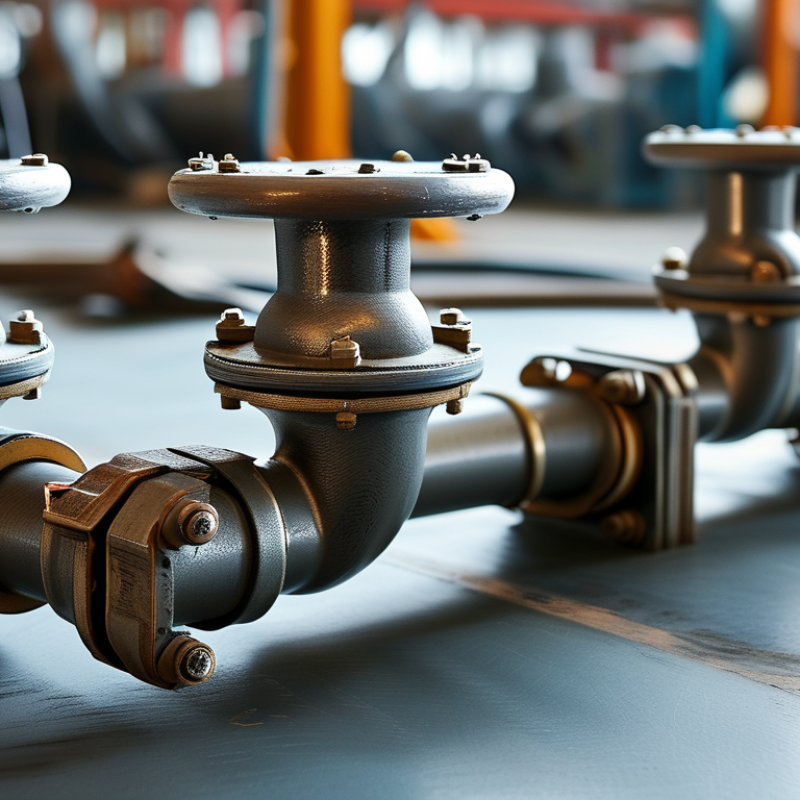
What is the Purpose of Pipe Supports in Industrial Applications?

Definition and Functionality of Pipe Supports in Industry

In industrial settings, pipe supports play a critical role. They provide essential support for piping systems, which can be heavy and require stability. These supports not only hold pipes in place but also help manage thermal expansion, vibrations, and movement. Without proper support, pipes can sag or bend, leading to potential damage or failure.

Pipe supports come in various types, each serving unique functions. For instance, some are designed for vertical support, while others manage lateral loads. This diversity allows for flexibility in installation. The selection of the right type of support is crucial for the safety and efficiency of an industrial operation. Improperly chosen supports may lead to costly repairs. Regular inspection of these supports is necessary to ensure they maintain their integrity.

Consideration of environmental factors is also important. Pipes may be exposed to extreme temperatures or corrosive substances. In these cases, additional support or protective features may be required. Recognizing that there is no one-size-fits-all solution is essential. Engineers must evaluate each situation, ensuring that supports address specific operational needs. This careful planning helps prevent unforeseen issues later on.

Types of Pipe Supports Commonly Used in Industrial Settings

In industrial applications, pipe supports play a crucial role in maintaining the integrity and safety of piping systems. Various types of supports are commonly used, each serving specific purposes. One popular type is the hanger, which suspends pipes from overhead structures. Hangers provide stability and prevent sagging, but improper installation may lead to issues.

Another common support is the clevis support. This type features two arms that hold the pipe securely in place. Clevis supports allow for some movement, accommodating thermal expansion. However, if not installed correctly, they might not provide adequate support. The choice between these supports depends on factors like pipe size and material.

Additionally, pipe brackets are essential in providing lateral support. They help prevent pipes from shifting or bending under pressure. Properly selected brackets ensure stability, but over-tightening can lead to damage. Each type of pipe support has its benefits and drawbacks. Understanding these nuances is essential in ensuring a reliable piping system in industrial environments.

Importance of Proper Installation and Maintenance of Pipe Supports

Proper installation and maintenance of pipe supports play a critical role in industrial applications. A significant study indicates that over 30% of piping failures are attributed to inadequate support or misalignment. This often leads to increased operational costs and potential safety hazards. Properly installed pipe supports reduce vibrations and thermal expansion effects, enhancing system longevity.

Regular maintenance is equally vital. Neglect can result in rust and wear, affecting structural integrity. Research highlights that up to 70% of maintenance issues arise from unmonitored support systems. Conducting routine inspections ensures that any signs of degradation are addressed promptly. Furthermore, realigning supports after system changes can prevent long-term damage.

Incorporating visual inspections and leveraging technology for monitoring can help maintain adequate support standards. Despite these practices, many organizations overlook preventive measures, creating risks. Striving for better procedures can significantly improve safety and efficiency in piping systems.

What is the Purpose of Pipe Supports in Industrial Applications?

Dimension Importance Maintenance Tips Installation Guidelines
Load Distribution Ensures that the weight of pipes is evenly distributed to prevent sagging. Regularly inspect for signs of corrosion and wear. Follow manufacturer's specifications during installation.
Vibration Control Minimizes the effects of vibrations from mechanical equipment. Check supports for damage due to vibration periodically. Ensure supports are securely anchored to avoid movement.
Thermal Expansion Accommodates expansion and contraction of piping due to temperature changes. Inspect for flexible supports and adjust if necessary. Ensure clearances are maintained to allow for expansion.
Safety Assurance Enhances overall safety by preventing pipe failures. Conduct routine safety audits on pipe supports. Use proper tools and techniques for installation.

Factors Influencing the Design of Pipe Support Systems

When designing pipe support systems, several factors come into play. Firstly, the type of fluid being transported significantly influences the design. For instance, corrosive substances may require materials resistant to degradation. Temperature variations also require careful consideration, as pipes can expand or contract, impacting support integrity.

Load-bearing capacity is critical. Each support must withstand not just the pipe's weight but also the weight of attached fixtures. Environmental conditions pose additional challenges. Outdoor pipelines must endure weather extremes, while indoor systems may need insulation.

Maintenance access should not be overlooked. Many supports provide critical accessibility for inspections and repairs. Achieving this while maintaining system integrity can be complex. Every design must balance functionality and practicality, which isn't always straightforward. It's a continuous learning process in engineering design, and each project presents unique challenges and lessons.

Factors Influencing the Design of Pipe Support Systems

This bar chart illustrates the key factors influencing the design of pipe support systems in industrial applications. Each factor is rated on a scale from 0 to 100, showing the significance of material weight, temperature control, vibration dampening, spacing requirements, and installation location in the overall design process.

Impact of Pipe Supports on Safety and Efficiency in Industrial Applications

Pipe supports play a critical role in ensuring the safety and efficiency of industrial applications. They provide necessary structural support for piping systems, reducing stress and preventing sagging. This is vital for maintaining the integrity of pipes that transport liquids and gases. A properly supported pipe system minimizes vibration and movement, which can lead to leaks or structural failures.

Furthermore, well-designed pipe supports contribute to safety in the workplace. They can prevent accidents caused by falling pipes or equipment failures. Regular inspections of pipe supports can identify wear or damage, highlighting potential risks. This proactive approach enhances operational reliability.

In terms of efficiency, effective pipe supports can streamline maintenance procedures. If access is limited due to poorly designed support systems, repairs can become costly and time-consuming. Investing in quality pipe supports thus pays off in the long run. However, the design and placement of these supports require careful consideration. Oversized supports can increase costs unnecessarily, while undersized supports can lead to failures. Balancing these factors is essential for long-term success.

FAQS

: What are pipe supports used for in industrial settings?

: Pipe supports stabilize piping systems and manage thermal expansion and vibrations.

Why is selecting the right type of pipe support important?

Choosing the wrong support type can lead to costly repairs and potential failure.

What are common types of pipe supports?

Common types include hangers, clevis supports, and brackets, each with specific functions.

How do hangers contribute to piping systems?

Hangers suspend pipes from overhead structures and prevent sagging, but they must be installed correctly.

What issues can arise from improperly installed clevis supports?

They may not provide adequate support and can lead to instability in the system.

What factors influence the design of pipe support systems?

Key factors include fluids transported, temperature variations, load-bearing capacity, and environmental conditions.

How does environmental exposure affect pipe supports?

Supports may need to endure extreme temperatures or corrosive substances, requiring careful material selection.

Why is maintenance access important in pipe support design?

Accessible supports allow for easier inspections and repairs while maintaining system integrity.

What challenges do engineers face in designing pipe support systems?

Balancing functionality and practicality can be complex, with every project presenting unique lessons.

What can happen if pipe brackets are over-tightened?

Over-tightening can lead to damage, compromising the stability and safety of the piping system.

Conclusion

Pipe supports are essential components in industrial applications, serving both structural and functional purposes. They provide stability to piping systems, ensuring that pipes are adequately supported, aligned, and secured to prevent sagging or shifting during operation. The types of pipe supports can vary, including brackets, hangers, and anchors, each designed to accommodate specific loads and install requirements.

What is the purpose of pipe supports extends beyond mere support; they play a critical role in system efficiency and safety. Proper installation and regular maintenance are crucial to ensure their effectiveness, as poorly designed or installed supports can lead to operational hazards and inefficiencies. Factors such as weight, thermal expansion, and system dynamics influence the design of pipe support systems, highlighting the need for meticulous planning. Ultimately, effective pipe support systems contribute significantly to the overall safety and operational efficiency of industrial processes.

Henry

Henry

Henry is a dedicated marketing professional with a profound expertise in the company's offerings. With years of experience in the industry, he possesses an impressive understanding of the market dynamics and consumer behaviors that drive success. Henry is committed to sharing his insights through......