How to Prevent Pipe Stress and Damage Effectively?

Time:2026-08-04 Author:Mason
0%

In the world of industrial piping, understanding how to prevent pipe stress and damage is crucial. According to a study by the American Society of Mechanical Engineers, about 40% of pipeline failures are linked to stress-related issues. This highlights the need for effective strategies to mitigate risks. The impact of these failures can be costly, both financially and in terms of safety.

Pipes are subject to various stresses from thermal expansion, weight, and external forces. Regular maintenance and monitoring can reduce these risks significantly. Implementing proper support systems is vital. Engineers recommend using the right materials for specific applications. Data from the Pipeline and Hazardous Materials Safety Administration shows that preventive measures can cut failure rates by up to 70%.

Despite advances in technology, many facilities still underestimate stress factors. The consequences of ignoring these can be disastrous. Training staff on recognizing early warning signs is essential. Balancing cost with safety often leads to reflection on existing practices. Industry experts emphasize that a proactive approach to pipe management is key to reducing stress and minimizing damage.
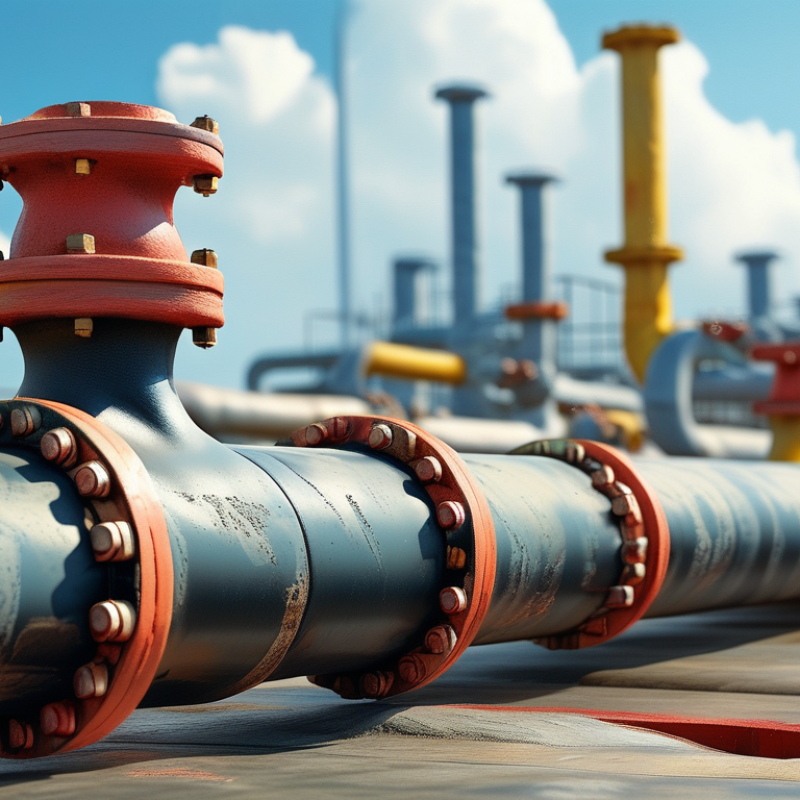
How to Prevent Pipe Stress and Damage Effectively?

Understanding Pipe Stress: Definition and Causes

Pipe stress refers to the forces impacting pipes due to temperature changes, pressure fluctuations, and external loads. Understanding its causes is vital for preventing damage. Thermal expansion is a common factor; as temperatures rise, pipes expand. This expansion can lead to bending or twisting, creating excessive stress on joints and supports.

Another critical cause of pipe stress is pressure. High internal pressure can lead to a weakened pipe structure, increasing the risk of leaks or bursts. External factors, like ground movement or nearby construction activities, can also impose stresses on the piping system. These elements create challenges that engineers must address to ensure system integrity.

Proper design and regular maintenance are essential in managing pipe stress. Engineers should consider expansion joints and supports in their designs. Regular inspections are crucial for detecting signs of stress before they escalate. Reflection on the system's history helps in planning effective interventions. Identifying issues early can significantly reduce long-term costs associated with repairs and replacements.

Identifying Potential Damage: Common Signs of Pipe Stress

Identifying potential damage caused by pipe stress is crucial for maintaining plumbing systems. Common signs include unusual noises, leaks, and cracks. These issues may indicate that pipes are not securely mounted. A loose connection increases movement, causing stress and potential damage. Homeowners should monitor their plumbing for these hints regularly.

Another key sign is a change in water pressure. If the flow reduces suddenly, it might mean a pipe is compromised. Additionally, visible corrosion could point to long-term stressors affecting pipe integrity. Inspecting for rust on pipes or fittings can help identify problems early. Checking seals and joints can also reveal weak points.

Keep an eye out for humidity in basements or crawl spaces. Excess moisture might suggest a leaking pipe. It is always worthwhile to conduct routine inspections and maintenance. However, many people overlook this simple task. Ignoring the signs can lead to costly repairs and downtime for the plumbing system. Regular awareness can prevent extensive damage and ensure seamless water flow.

Effective Design Techniques to Minimize Pipe Stress

To minimize pipe stress, effective design techniques are vital. Proper selection of materials can greatly influence the durability of pipes. Using flexible materials can help absorb thermal expansions. Additionally, adequate support and spacing are essential to prevent sagging and misalignment.

Another consideration is stress analysis during the design phase. Engineers should perform simulations to understand how pipes react to pressure and temperature changes. Incorporating expansion loops or bends can alleviate potential strain points. Regular inspections and maintenance are also important, as wear and tear can lead to unnoticed vulnerabilities over time.

Sometimes, designs fail to account for real-world conditions. There may be unpredicted stresses from environmental factors. Relying solely on theoretical models can be risky. Awareness of these limitations is crucial and can lead to enhanced design practices. Adapting to feedback from on-site experiences can guide improvements.

Maintenance Practices to Prevent Pipe Damage

Maintaining pipes is crucial to prevent damage and ensure long-term reliability. Regular inspections can detect early signs of stress. Look for corrosion, cracks, or leakages. Addressing these issues promptly can save significant repair costs later.

Tips: Schedule semiannual inspections. Involve trained technicians who understand pipe behavior. Utilize non-invasive technologies to evaluate internal conditions.

Proper insulation is essential for temperature regulation. It protects pipes from extreme heat or cold. Insulation can prevent condensation, which leads to corrosion. Choose materials that resist moisture and thermal shock.

Tips: Always keep insulation clean and dry. Replace any damaged sections immediately. A small issue can turn into a larger one quickly.

Lastly, be mindful of the environment around pipes. Soil erosion or ground shifts can cause unexpected stress. Regular landscaping checks can help identify potential threats. Stay proactive in safeguarding your infrastructure.

Tips: Use protective barriers if necessary. Engage with engineers for site assessments frequently. Sometimes, the most overlooked factors lead to the biggest problems.

Utilizing Technology for Pipe Stress Analysis and Monitoring

Pipe stress analysis and monitoring are critical for maintaining system integrity. Utilizing advanced technology can significantly reduce the risk of pipe stress. According to a recent study from the American Society of Mechanical Engineers (ASME), nearly 30% of pipe failures result from stress-related issues. This data underscores the importance of proactive analysis.

Modern software tools enable engineers to simulate stress conditions on pipes. Finite element analysis (FEA) helps assess how environmental factors impact pipe systems. These simulations can reduce risks by identifying stress points before they become problematic. A report from the Engineering Toolbox revealed that proper monitoring can lower maintenance costs by as much as 15%.

Despite these advancements, implementing a comprehensive monitoring system often faces challenges. Not all facilities invest equally in technology. Insufficient training can lead to ineffective usage of monitoring tools. Furthermore, integration of new software with existing systems may create complications. Continuous evaluation and adaptability are essential for achieving optimal outcomes. Embracing technology is beneficial, but a commitment to education and process improvement must follow.

Pipe Stress Analysis Data

This bar chart represents the monthly stress levels measured in pipes over a period of six months. Monitoring these levels is crucial for preventing pipe stress and potential damage.

FAQS

: What is pipe stress?

: Pipe stress refers to forces impacting pipes due to temperature changes, pressure fluctuations, and external loads.

What causes thermal expansion in pipes?

Thermal expansion occurs when temperatures rise, causing pipes to expand and potentially bend or twist.

How do high internal pressures affect pipes?

High internal pressure can weaken pipe structures, increasing risks of leaks or bursts.

What external factors can impose stresses on pipes?

Ground movement and nearby construction activities can create additional stresses on piping systems.

Why is regular maintenance important for pipes?

Regular maintenance helps detect signs of stress early, preventing costly repairs and replacements.

How can design techniques minimize pipe stress?

Selecting flexible materials and providing adequate support can help manage thermal expansions and prevent misalignment.

What role does technology play in pipe stress monitoring?

Advanced technology enables engineers to simulate stress conditions and identify potential problems before they arise.

What challenges may arise with monitoring systems?

Limited investment in technology and insufficient training can hinder the effectiveness of monitoring tools.

Why is reflection on past pipe performance valuable?

Understanding a system’s history can guide better management and intervention strategies for pipe stress.

How can simulations improve pipe design?

Simulations help assess pipe reactions to environmental changes, leading to more effective design solutions.

Conclusion

In addressing how to prevent pipe stress and damage effectively, it is crucial to first understand the definition and causes of pipe stress. Factors such as temperature changes, pressure fluctuations, and improper installation can contribute to excessive stress on piping systems. Recognizing the common signs of pipe stress, such as unusual vibrations, leaks, or deformities, can help in identifying potential damage early on.

To minimize pipe stress, effective design techniques are essential, including proper support placement, expansion joints, and material selection. Regular maintenance practices, such as inspections and timely repairs, further enhance the longevity of piping systems. Additionally, leveraging technology for pipe stress analysis and monitoring can provide real-time data, enabling proactive measures to prevent significant damage. By implementing these strategies, one can significantly reduce the risks associated with pipe stress and ensure the durability of piping infrastructure.

Mason

Mason

Mason is a seasoned marketing professional with a deep expertise in the company's offerings and a passion for driving brand awareness. With a strong background in digital marketing strategies, he has an innate ability to connect with diverse audiences and effectively communicate product benefits.......