Top 10 Ways to Prevent Heat Loss in Piping Systems?

Time:2026-05-28 Author:Aria
0%

In the industrial world, the efficiency of piping systems is crucial for energy savings. Heat loss can result in higher operational costs and reduced system effectiveness. Greg Johnson, a leading expert in thermal management, emphasizes that "Effective insulation is key to minimizing heat loss in piping systems."

Understanding how to prevent heat loss in piping systems is essential for engineers and facility managers. Effective measures can significantly lower energy consumption. Insulation, for instance, must be of proper thickness and material to resist heat flow. Regular maintenance checks can also reveal hidden issues, preventing unexpected losses.

However, implementing these strategies is often overlooked. Many facilities might prioritize other improvements, neglecting the importance of well-insulated pipes. Investing in the right technology and practices should not be overlooked. The journey to enhanced efficiency requires awareness and a proactive approach to minimizing heat loss.
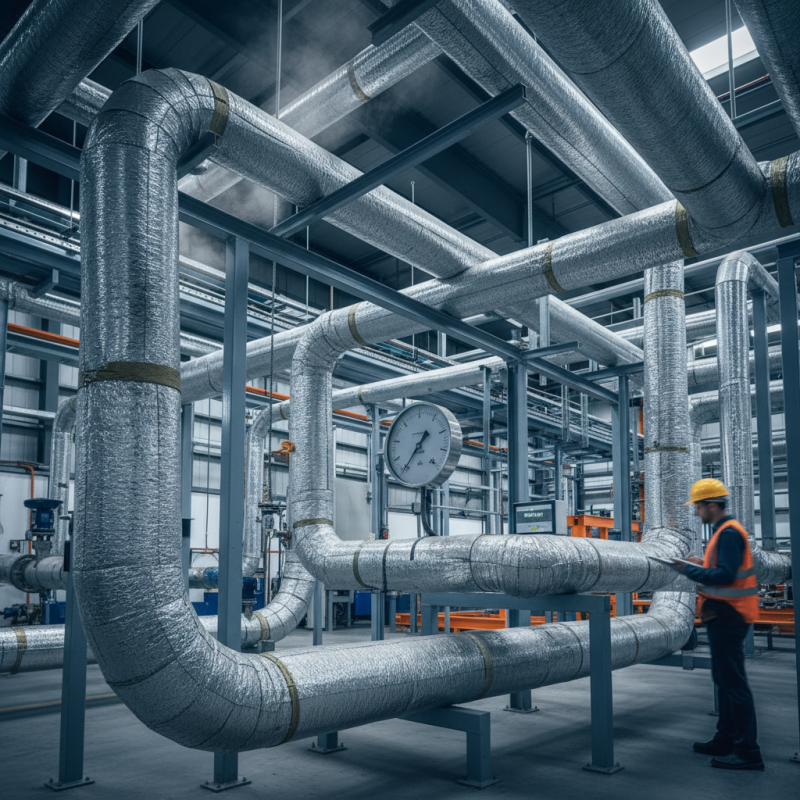
Top 10 Ways to Prevent Heat Loss in Piping Systems?

Factors Contributing to Heat Loss in Piping Systems

Heat loss in piping systems can severely affect energy efficiency. According to the Department of Energy, almost 30% of energy can be lost in poorly insulated pipes. This loss is primarily due to factors such as inadequate insulation, ambient temperature variations, and heat transfer through materials. For instance, metal pipes, with high thermal conductivity, absorb heat more rapidly than others, leading to greater losses.

Moreover, improper installation and maintenance can exacerbate heat loss. Gaps in insulation or damaged materials create pathways for thermal escape. A report from the American Society of Heating, Refrigerating and Air-Conditioning Engineers points out that even small leaks can significantly impact overall system performance. This highlights how attention to detail—like checking for any signs of wear—is vital in reducing energy loss.

Notably, the design and layout of piping also play a crucial role. Long runs or bends can increase the surface area exposed to cooler conditions, allowing heat to dissipate. Adjusting designs for efficiency can seem tedious but is essential. Rethinking the approach can prevent lost heat and conserve energy, ultimately reflecting better practices in engineering.

Top 10 Ways to Prevent Heat Loss in Piping Systems

Method Description Effectiveness (%) Cost (USD)
Insulation Adding thermal insulation to piping to reduce heat loss. 80 500
Heat Tracing Using electrical or steam heat tracing to maintain temperature. 75 800
Pipe Wraps Applying reflective wraps to minimize heat loss. 65 300
Maintenance Regular checks and maintenance to prevent leaks and corrosion. 70 200
Valves & Drainage Properly functioning valves and adequate drainage to prevent traps. 60 150
Pipe Size Optimization Choosing the right pipe size to minimize surface area. 55 400
Flow Control Implementing flow control strategies to maintain temperature. 50 350
Use of Thermal Mass Incorporating materials that retain heat within the system. 65 600
Regular Audits Conducting energy audits to identify and rectify heat loss. 90 1000
Upgraded Materials Using advanced, low-conductivity materials for piping. 85 1200

Insulation Materials for Effective Heat Retention

Insulating piping systems is critical for energy efficiency. Choosing the right insulation materials plays a vital role. Fiberglass insulation, for example, is widely used due to its effectiveness in minimizing heat loss. It can withstand high temperatures, making it suitable for various applications. However, it can be moisture-sensitive, which may lead to mold growth if not installed correctly.

Another option is foam insulation. It is lightweight and easy to apply. Foam insulation creates a tight seal around pipes, preventing heat loss. Yet, it may not always fit well in tight spaces. This necessity for precision can complicate installation in older buildings. Selecting the right thickness is crucial for optimal performance.

Mineral wool is an option worth considering. This material is fire-resistant and offers excellent thermal performance. Still, its installation can be more labor-intensive. Homeowners might need professional help for effective application, especially in complex piping systems. Each insulation material has its pros and cons. Evaluating specific project needs is essential for ensuring effective heat retention.

Techniques for Properly Insulating Piping Systems

Insulating piping systems is crucial for reducing heat loss. Well-insulated pipes can improve energy efficiency by up to 30%, according to industry reports. Heat loss affects system performance and can increase operational costs. Proper insulation techniques play a significant role in mitigating these issues.

One effective method is to use rigid foam boards. These materials can provide high thermal resistance. Installation involves cutting the boards to fit around the pipes, ensuring a snug seal. However, gaps can lead to heat loss and should be avoided. Additionally, using heat tracing cables can help maintain desired temperatures in colder environments.

Another technique involves using fiberglass insulation. This material is both cost-effective and efficient. It should be wrapped tightly around the pipes. But, if not properly secured, the insulation may settle or compress, reducing its effectiveness. Regular inspections can ensure that the insulation remains intact and functional. With proper care, these methods can significantly lower heat loss and enhance system reliability.

Maintenance Practices to Minimize Heat Loss

Maintaining piping systems is crucial for minimizing heat loss. Regular inspections can identify leaks and insulation issues early. A small crack can lead to significant energy waste. Make it a habit to assess the system periodically. Noticing trouble spots sooner can save time and money.

Implementing effective insulation is key to heat retention. Use appropriate materials for your specific piping system. Consider adding insulation where needed, especially in unconditioned spaces. Gaps can form over time, leading to heat escape. Regularly check for wear and tear on existing insulation and replace it as necessary.

Properly maintaining valves and joints is also vital. These areas are prone to leaks, especially in older systems. Ensure they are sealed correctly to avoid heat loss. A solid maintenance routine can enhance the system's efficiency. Pay attention to signs of wear, as neglect may cause costly repairs later. Regular observations promote reliability in your piping setup.

Monitoring Systems for Detecting Heat Loss in Pipelines

To effectively monitor heat loss in pipelines, utilizing advanced detection systems is crucial. These systems can track temperature fluctuations in real-time, enabling swift action. Infrared cameras offer a non-invasive way to identify heat leaks. They provide visual evidence of thermal irregularities along the piping. This method is particularly useful in large facilities.


Another reliable option is acoustic monitoring. This technique detects sound waves produced by leaks. It requires less maintenance and can work in various environments. Additionally, smart sensors can be integrated into your system for continuous monitoring. These devices send alerts to operators about abnormal heat loss. This proactive approach helps in maintaining energy efficiency.


Reflecting on implementation, it’s essential to evaluate system effectiveness regularly. Periodic checks can reveal areas needing improvement. Sometimes, technology doesn’t perform as expected due to environmental factors. A thorough review process ensures your monitoring system adapts to these challenges. Balancing technology with routine maintenance enhances overall performance.

FAQS

: Why is insulating piping systems important?

: Insulating piping systems reduces heat loss and improves energy efficiency by up to 30%.

What is one effective insulation method?

Rigid foam boards provide high thermal resistance when properly installed around pipes.

How should rigid foam boards be installed?

Cut the boards to fit around the pipes and ensure a snug seal without gaps.

What happens if insulation is not secured properly?

Improperly secured insulation, like fiberglass, may settle or compress, reducing effectiveness.

How can heat loss be monitored in pipelines?

Advanced detection systems, like infrared cameras, help track temperature fluctuations effectively.

What is acoustic monitoring?

Acoustic monitoring detects sound waves from leaks, requiring less maintenance in various environments.

How can smart sensors improve monitoring?

Smart sensors alert operators about abnormal heat loss, enabling a proactive response.

Why is regular evaluation of systems necessary?

Periodic checks reveal improvement areas and ensure technology adapts to environmental challenges.

What could affect the performance of monitoring systems?

Environmental factors sometimes cause unexpected technology performance issues.

How does routine maintenance impact overall performance?

Balancing technology with regular maintenance enhances system reliability and energy efficiency.

Conclusion

In the quest to understand how to prevent heat loss in piping systems, it's essential to recognize the factors contributing to this issue. Key elements such as improper insulation, environmental conditions, and material choices play a significant role in heat dissipation. Utilizing suitable insulation materials can effectively enhance heat retention and reduce energy costs.

Moreover, implementing proper insulation techniques is crucial, including ensuring continuous coverage and minimizing gaps. Regular maintenance practices, such as inspecting and repairing insulation, can further minimize heat loss. Lastly, integrating monitoring systems is vital for detecting any leaks or deficiencies in heat retention, allowing for timely interventions. By focusing on these comprehensive strategies, one can significantly reduce heat loss in piping systems.

Aria

Aria

Aria is a dedicated marketing professional with a deep passion for innovative strategies and a keen understanding of our company's product offerings. With a wealth of experience in the industry, Aria excels at crafting engaging content that highlights the unique features and benefits of our......