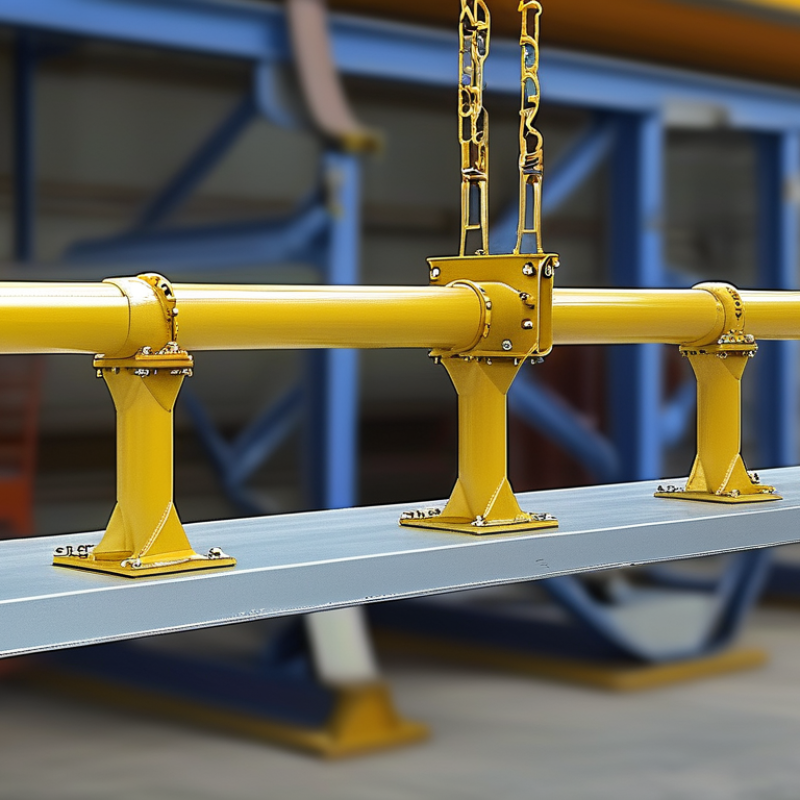
What is the Difference Between Pipe Hanger and Support?

Time:2026-05-07 Author:Charlotte
0%

In the world of plumbing and HVAC systems, understanding the fundamentals is crucial. When we explore "what is the difference between pipe hanger and support," it's essential to grasp their distinct roles. According to industry data, about 30% of piping failures relate to improper support and hanging techniques. This highlights the importance of using appropriate hardware.

Pipe hangers are specifically designed to suspend pipes from ceilings or beams. They ensure pipes remain secure while allowing for thermal expansion and contraction. In contrast, supports provide stability to pipes, especially in horizontal runs. A robust support system can significantly reduce stress on joints and connections. Research emphasizes that 25% of mechanical maintenance issues arise from inadequate support.

By delineating these terms, professionals can enhance system reliability and longevity. However, misconceptions abound. Some may think a pipe hanger can serve as a support. This confusion could lead to costly repairs or operational inefficiencies. Recognizing these distinctions is vital for any project manager or engineer tasked with maintaining system integrity.

What is the Difference Between Pipe Hanger and Support?

Definition of Pipe Hangers and Supports

When discussing pipe hangers and supports, it's essential to understand their roles in piping systems. Pipe hangers primarily suspend pipes from ceilings or overhead structures. They help to manage weight and reduce vibration. On the other hand, supports provide stability on the ground. These components ensure pipes remain in place and can handle external forces.

According to a study by the International Piping Association, over 60% of piping failures occur due to inadequate support systems. This underscores the importance of using appropriate materials and designs for both hangers and supports. The choice often depends on factors such as pipe size, weight, and temperature. Miscalculations can lead to significant damage, impacting both safety and productivity.

In practice, many engineers face challenges in balancing material costs with safety standards. Some may opt for cheaper alternatives that do not provide adequate support. This decision can result in long-term issues. It highlights the need for careful planning and adherence to industry guidelines. Ultimately, while hangers and supports seem straightforward, their design requires thoughtful consideration.

Purpose and Function of Pipe Hangers

Pipe hangers are essential components used in various piping systems. Their primary function is to securely support pipes, preventing them from sagging or shifting. According to industry reports, over 70% of piping failures are attributed to improper support. Pipe hangers help distribute weight evenly, which is crucial in both residential and commercial settings.

The design of pipe hangers is vital. They must withstand environmental factors like vibration and thermal expansion. Engineers recommend regular inspections every six months to ensure they remain functional. Neglecting maintenance can lead to costly repairs and safety hazards.

Tip: Always use the right type of hanger for your piping material. This simple choice can enhance durability. Additionally, consider load ratings; they are critical for safety and longevity.

Accurate installation plays a significant role in performance. Over-tightening can damage the pipe, while under-tightening may lead to instability. Finding the balance is challenging yet necessary for effective support.

Purpose and Function of Pipe Supports

Pipe supports serve a crucial role in the stability and safety of piping systems. They help maintain the alignment and elevation of pipes. This is vital for efficient operation and longevity of the pipes. Proper support minimizes stress on joints, preventing leaks and failures. It’s essential to use the right type of support based on the pipe's size and weight.

Different materials and designs of pipe supports cater to various environments. For instance, metal supports are common in industrial settings. They withstand significant weight and high temperatures. Meanwhile, plastic supports are lighter and used in less demanding environments. Identifying the appropriate type requires careful assessment of specific project needs.

It's not uncommon for designs to overlook certain factors. Engineers might underestimate the impact of thermal expansion. This could lead to an inadequate number of supports. The result can be catastrophic, requiring costly repairs. Regular reviews and adjustments are suggested to maintain piping integrity through various conditions. Prioritizing pipe support choices is fundamental for project success, even if it seems trivial during initial planning.

What is the Difference Between Pipe Hanger and Support? - Purpose and Function of Pipe Supports

Aspect Pipe Hanger Pipe Support
Primary Function Holds pipes from above Supports pipes from below
Load Distribution Distributes load to supporting structure Bears the weight of the pipe directly
Usage Location Ceiling or overhead On the ground or structural elements
Movement Allowance Allows some movement (thermal expansion) Generally fixed, limits movement
Installation Complexity Moderate, requires overhead access Simple, accessible from the ground

Key Differences Between Hangers and Supports

When discussing the differences between pipe hangers and supports, it’s essential to understand their roles in plumbing and construction systems. Pipe hangers support pipes from above, while supports specifically bear the pipe’s weight from below. According to industry estimates, improper usage of hangers can lead to system failures, costing companies significantly in repairs and downtime.

Pipe hangers allow for vertical movement. They can accommodate the thermal expansion of pipes. On the other hand, supports provide stability and strength but may not offer the same flexibility. A study conducted by the American Society of Mechanical Engineers indicated that well-designed support systems reduce the risk of pipe sagging or misalignment by up to 30%.

Choosing the right mechanism is not just a technical decision. It's crucial for safety and efficiency. Both hangers and supports must be installed correctly. Improper placements can lead to potential hazards, such as leaks or even infrastructure failure. Observing best practices is vital, yet many projects still overlook these details. Continuous education and adherence to established guidelines are necessary to mitigate these risks.

Common Applications of Pipe Hangers and Supports

Pipe hangers and supports play crucial roles in various construction and manufacturing applications. Their primary function is to provide stability and integrity to piping systems. Pipe hangers are typically used to suspend pipes from ceilings or overhead structures. They allow for movement due to thermal expansion and contraction, minimizing stress on the pipes. Common materials include metal and plastic, chosen based on the environment they operate in.

Supports, on the other hand, are designed to bear the weight of pipes laid on the ground or structures. These supports help prevent sagging, ensuring that pipes maintain a consistent flow of fluids. In industrial settings, both hangers and supports are essential for safety. Mismanagement in their selection can lead to structural failures.

In HVAC systems, for example, it is vital to choose the right fittings. Incorrect hangers may cause vibrations and noise. Additionally, in plumbing, improper supports could lead to leaks or bursts. Understanding the specific needs of each system is critical for their effective implementation. Both components require careful consideration during installation to ensure long-term reliability. This is an area where proper assessment is key, as overlooking details can have serious consequences.

FAQS

: What are pipe hangers?

: Pipe hangers are components that suspend pipes from ceilings or overhead structures.

Why are pipe supports important?

Pipe supports provide stability on the ground and maintain proper alignment of pipes.

What can happen with inadequate support systems?

Inadequate support can lead to over 60% of piping failures, causing significant damage.

How do you choose materials for pipe hangers?

Choice depends on factors like pipe size, weight, and temperature.

Can using cheaper materials lead to problems?

Yes, cheaper materials may not provide adequate support and can result in long-term issues.

What types of materials are used for pipe supports?

Metal supports are used in industrial settings, while plastic supports are for lighter loads.

What is a common oversight in designs?

Engineers sometimes underestimate the effects of thermal expansion on piping systems.

How can regular reviews help piping systems?

Regular reviews ensure that supports are adequate and prevent costly repairs later.

Why is careful assessment vital for pipe support choices?

Proper assessment helps avoid future failures by matching support types with project needs.

What can happen if support designs are overlooked?

Overlooking support designs can lead to leaks and catastrophic failures in the system.

Conclusion

Pipe hangers and supports are essential components in piping systems, serving distinct purposes that ensure the integrity and stability of installations. Pipe hangers are designed to suspend pipes from ceilings or structures, allowing for vertical alignment while accommodating thermal expansion and vibration. On the other hand, pipe supports provide a stable base for pipes, resting them on a concrete floor or other surfaces to prevent movement and reduce wear.

Understanding what is the difference between pipe hanger and support is crucial for proper installation and maintenance. While both elements are vital in managing the weight and position of pipes, their functions diverge significantly. Common applications include industrial facilities, commercial buildings, and various infrastructure projects, where the correct use of hangers and supports can lead to improved safety and enhanced performance of piping systems.

Charlotte

Charlotte

Charlotte is a seasoned marketing professional with a deep understanding of the company's portfolio and a passion for elevating its presence in the market. With a keen eye for detail and a commitment to excellence, she ensures that our professional blog is regularly updated with insightful articles......