2026 Best Solutions for Common Problems with Pipe Supports?

Time:2026-05-31 Author:Liam
0%

Pipe supports are vital components in piping systems across various industries. They ensure stability and alignment, which is crucial for operational efficiency. However, issues frequently arise regarding their performance. Understanding what are common problems with pipe supports is essential for maintaining system integrity. According to a 2023 report by the American Society of Mechanical Engineers, improper installation can lead to catastrophic failures, costing companies millions.

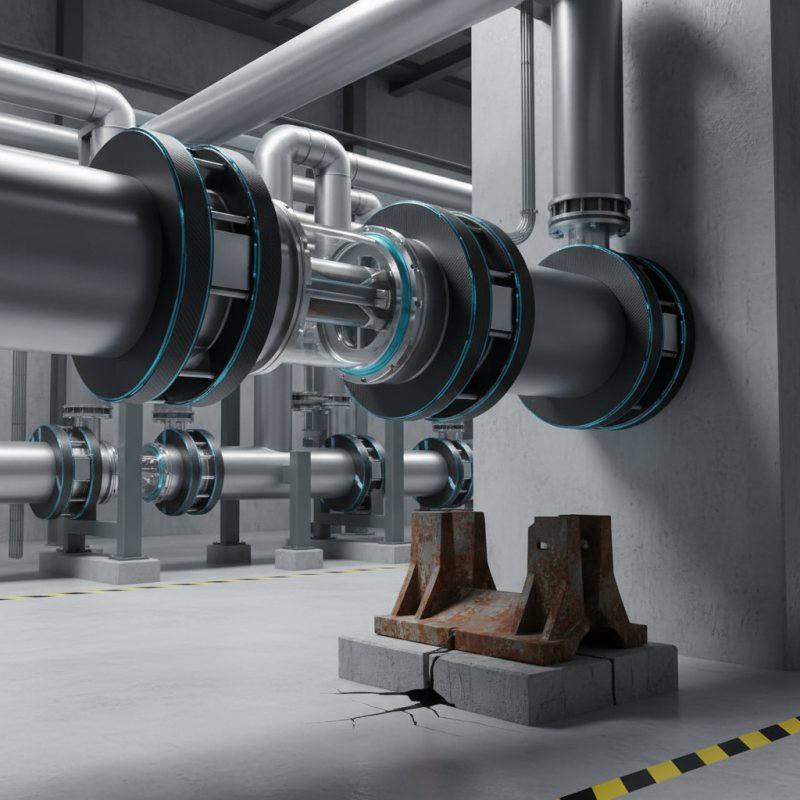
One prevalent issue is inadequate load-bearing capacity. Many pipe supports are not designed to handle unexpected loads from thermal expansion or other dynamic forces. This can result in damages. Additionally, corrosion is a critical factor. A study by the National Association of Corrosion Engineers found that 25% of failures in pipe supports are due to corrosion-related issues. Regular inspections and proper material selection are imperative.

Another challenge lies in alignment and spacing. Misalignment can cause excessive stress on pipes, leading to leaks and breaks. It is vital to ensure that supports are placed correctly, avoiding over-reliance on supports that are not engineered for specific conditions. Acknowledging these problems allows industries to implement better solutions and enhance safety measures, leading to more reliable piping systems.
2026 Best Solutions for Common Problems with Pipe Supports?

Overview of Common Issues with Pipe Supports

Pipe supports are essential in various industries. However, they often encounter common issues. Identifying these problems can enhance reliability and performance.

One common issue is corrosion. This occurs when metal supports are exposed to moisture or chemicals. Over time, corrosion can compromise support integrity, leading to structural failures. Regular inspections and protective coatings can mitigate this risk. Another significant problem is improper alignment. Misaligned pipes can lead to undue stress on the supports. Frequent adjustments and careful installation techniques are vital.

Vibration is another challenge faced by pipe support systems. It can exacerbate wear and cause fatigue in both pipes and supports. Effective vibration isolation methods should be employed to address this. Additionally, inspection gaps can lead to unnoticed deterioration. Regular maintenance checks are crucial to ensure the system's health. Ignoring these issues may result in costly repairs or downtime. Recognizing these concerns is essential for achieving optimal pipe support performance.

Types of Pipe Supports and Their Applications

Pipe supports are essential components in many piping systems. They help distribute weight and absorb thermal expansion. Understanding their types and applications can significantly improve system reliability.

There are several common types of pipe supports. **Riser clamps** secure vertical pipes and allow for thermal movement. **Hangers** suspend pipes from ceilings, providing vertical support. **Saddle supports** distribute the load of pipe bends across a larger area. Each type has its specific usage, impacting the integrity of the piping system.

Choosing the right support is crucial. Incorrect selection can lead to leaks or pipe failure. It’s important to evaluate factors like pipe material, temperature, and weight. There is not always a one-size-fits-all solution. Careful attention to detail ensures the longevity of the pipe system. Users often overlook these nuances, leading to oversights that may require costly repair work down the line.

Factors Affecting Pipe Support Performance

Pipe supports play a critical role in ensuring the stability and integrity of piping systems. They must accommodate various factors that can significantly affect their performance. One key element is load distribution. Proper calculation of weight and forces ensures that supports function correctly. A study shows that approximately 30% of pipe support failures occur due to miscalculations in load.

Environmental conditions also impose significant challenges. Factors like temperature fluctuations can cause thermal expansion or contraction, stressing the support system. Research indicates that nearly 25% of failures in industrial settings are related to inadequate thermal considerations. Additionally, the material of the pipe supports matters. Corrosion resistance is vital, particularly in chemical processing. Approximately 20% of all industrial downtimes are linked to corrosion-related issues in piping systems.

Maintenance practices remain crucial yet often neglected. Regular inspections and timely replacements can mitigate potential failures. Data suggests that companies focusing on routine maintenance see a 40% drop in support-related issues. However, many still overlook this critical aspect, risking costly downtime and safety hazards. Enhancing understanding of these factors is essential for better pipe support performance in diverse applications.

Best Practices for Installing Pipe Supports

When installing pipe supports, proper techniques ensure durability and effectiveness. Start by assessing the requirements of the piping system. Consider the load, material type, and environmental factors. Each pipe support should be installed at precise intervals. Installations should allow for thermal expansion and contraction. Inadequate spacing can lead to premature wear or system failure.

Use appropriate fasteners and installation tools to secure supports effectively. Check for alignment during installation. Misalignment can cause stress on pipes, leading to leaks or breaks. After installation, conduct regular inspections. This is crucial for identifying issues before they escalate. A visual check can reveal potential problems.

Remember, the environment plays a significant role. Corrosive conditions can alter the integrity of the supports. Adjusting materials based on surroundings is vital. Sometimes, even minor adjustments can mitigate long-term issues. Take the time to ensure everything is set correctly. Reflecting on past installations can reveal areas needing improvement.

Innovative Solutions to Enhance Pipe Support Stability

The stability of pipe supports is crucial in various industries. A recent report by the International Society of Automation indicates that improper pipe support leads to approximately 30% of piping system failures. This staggering statistic underlines the need for innovative strategies to enhance stability. One solution is the use of advanced materials like polymer composites, which are lightweight yet incredibly strong. They can absorb vibrations better than traditional materials, promoting longer asset life.

When selecting pipe supports, consider the environment. Harsh conditions demand robust solutions. For instance, in locations with extreme temperatures, thermal expansion can compromise support stability. Adjustable supports allow for movement, reducing stress on the pipes. These should be part of any design strategy.

**Tip:** Regular inspections of the pipe support system can catch issues early. Develop a checklist focusing on alignment, wear, and environmental impacts. Small adjustments can yield significant results. Additionally, documentation of these inspections increases accountability within teams. This proactive approach is often overlooked but essential for long-term success.

2026 Best Solutions for Common Problems with Pipe Supports

This chart displays the effectiveness of various innovative solutions for enhancing pipe support stability in 2026. The data represents the effectiveness rating (1-10 scale) of each solution in addressing common problems faced in pipe support systems.

FAQS

: What are common issues with pipe supports?

: Common issues include corrosion, improper alignment, and vibration. These can lead to structural failures and increased maintenance costs.

How does corrosion affect pipe supports?

Corrosion compromises the integrity of metal supports. This exposure to moisture or chemicals can lead to significant structural failures.

Why is proper alignment of pipes important?

Improper alignment causes undue stress on supports. Frequent adjustments and careful installation can help avoid related problems.

What role does vibration play in pipe support systems?

Vibration can cause wear and fatigue in pipes and supports. Effective isolation methods should be implemented to minimize these effects.

How can inspection gaps affect pipe supports?

Inspection gaps lead to unnoticed deterioration over time. Regular maintenance checks are essential to catch these issues early.

What types of pipe supports are commonly used?

Common types include riser clamps, hangers, and saddle supports. Each serves different purposes and impacts system integrity.

How does the environment affect pipe support selection?

Harsh conditions require more robust supports. For extreme temperatures, adjustable supports help manage thermal expansion effectively.

What can be done to enhance pipe support stability?

Using advanced materials and incorporating regular inspections can significantly improve stability. Small adjustments can lead to big improvements.

Why is proper selection of pipe supports important?

Incorrect support selection can lead to leaks or failures. Evaluating material, temperature, and weight is essential for longevity.

What is a common oversight in pipe support maintenance?

Many overlook systematic inspections. A proactive checklist can catch issues early and improve accountability within teams.

Conclusion

Pipe supports are crucial components in various piping systems, yet they often encounter issues that can affect overall performance. Common problems with pipe supports include inadequate load-bearing capacity, improper alignment, and susceptibility to environmental factors such as corrosion. Understanding what are common problems with pipe supports allows for better planning and preventative measures in installation.

To address these issues, it is essential to choose the right types of pipe supports for specific applications, considering factors like load requirements and environmental conditions. Best practices for installation also play a significant role in enhancing their effectiveness, such as ensuring correct spacing and secure fastening. Additionally, innovative solutions like the use of advanced materials and designs can improve stability and longevity, thus mitigating many common problems associated with pipe supports.

Liam

Liam

Liam is a dedicated marketing professional with a profound expertise in the industry, where he excels at highlighting the unique advantages of our core products. With a keen understanding of market trends and consumer needs, Liam frequently updates our company’s professional blog, providing......