Corrosion in pipe supports poses significant challenges in various industries, particularly in oil and gas, where infrastructure is often exposed to harsh conditions. According to a recent report by the Corrosion Engineers Association, nearly 30% of industrial failures are attributed to corrosion-related issues. To combat this, industry experts continually seek effective strategies. Dr. James Hartfield, a leading authority in corrosion prevention, states, “Preventing corrosion in pipe supports is crucial for the longevity and safety of our systems.”
When discussing how to avoid corrosion in pipe supports, several techniques come to the forefront. Proper material selection is vital. Using corrosion-resistant materials can significantly enhance durability. Additionally, regular inspections and maintenance schedules provide early detection of potential issues. According to data from the National Association of Corrosion Engineers, implementing a proactive maintenance strategy can reduce corrosion-related failures by up to 50%.
Despite advancements, the challenge remains. Many companies still overlook the significance of proper coatings and insulation. This oversight can lead to costly repairs and downtime. In conclusion, understanding how to avoid corrosion in pipe supports requires ongoing education and commitment from industry professionals to protect their assets effectively.
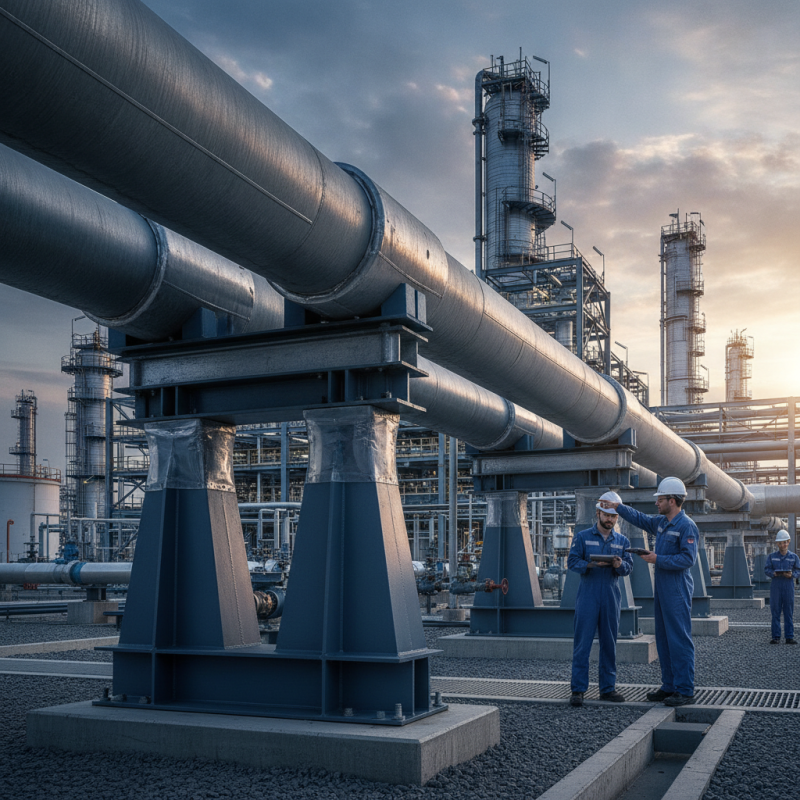
Identify Common Types of Corrosion Affecting Pipe Supports
Corrosion in pipe supports is a significant issue in many industries, affecting the integrity of piping systems. Common types of corrosion include galvanic corrosion, pitting corrosion, and crevice corrosion. A report by the National Association of Corrosion Engineers (NACE) highlights that corrosion costs industries approximately $276 billion annually in the U.S. alone. This underscores the urgency of addressing corrosion effectively.
Galvanic corrosion occurs when two dissimilar metals are in electrical contact in a corrosive environment. This can lead to significant material loss. Pitting corrosion, characterized by small, localized pits, often goes unnoticed until it becomes severe. Studies indicate that pitting can reduce the pipe wall by as much as 50% before detection. Crevice corrosion, on the other hand, happens in confined spaces where water or other electrolytes can pool. These forms of corrosion are often exacerbated by inadequate protection measures.
To counter these corrosion types, effective strategies include the use of coatings and cathodic protection. However, many projects fail to incorporate these preventive measures adequately. A lack of consistent maintenance and monitoring can lead to costly failures. Understanding and addressing these corrosion types is crucial for extending the lifespan of pipe supports and enhancing overall system reliability.
Understand Materials and Coatings That Resist Corrosion
Corrosion in pipe supports poses a significant challenge for many industries. Selecting the right materials and coatings is critical to ensure longevity and safety. Studies show that carbon steel pipe supports, while relatively inexpensive, have low corrosion resistance. This can lead to increased maintenance costs over time.
Stainless steel is often recommended for its superior resistance. However, not all stainless steel types are created equal. For instance, types 304 and 316, while popular, have specific limitations depending on environmental conditions. In coastal areas, chloride exposure can severely compromise their integrity. According to a recent industry report, up to 30% of stainless steel installations in harsh environments experienced premature failure.
Coatings can also enhance corrosion resistance significantly. Epoxy and polyurethane coatings are frequently used for pipe supports. These coatings provide a barrier against moisture and chemicals. Reports suggest that properly applied coatings can extend the life of supports by more than 50%. Yet, improper application remains a common issue, necessitating stringent quality control measures. Selecting appropriate coatings requires careful consideration of the operational environment and frequent inspections to ensure effectiveness.
Implement Protective Design Features in Pipe Support Structures
Corrosion in pipe supports is a significant concern in various industries. Implementing protective design features can greatly enhance the longevity of these structures. According to a report by the NACE International, nearly 30% of infrastructure failures stem from corrosion-related issues. This highlights the importance of robust protective measures.
Consider using corrosion-resistant materials. Steel reinforced with certain alloys can improve longevity. Systems designed with drainage features can prevent water accumulation, reducing corrosion rates. A study found that proper drainage can reduce moisture exposure by over 50%.
Tips: Regular inspections are crucial. Even small rust spots can indicate larger issues. Integrate sacrificial anodes in your designs. These can help defend against corrosion in critical areas. Aim to maintain a protective coating on all surfaces for enhanced durability. Adopting these practices can lead to more reliable pipe support systems, ultimately lowering maintenance costs and improving safety.
Adopt Maintenance Practices to Prevent Corrosion Over Time
Corrosion in pipe supports can lead to significant issues over time. Proper maintenance practices are essential to prevent deterioration. Regular inspections should be conducted to assess the condition of the pipe supports. Look for signs of rust or any unusual wear. A proactive approach is crucial for long-term reliability.
Tips: Schedule inspections every six months. This will help you catch early signs of corrosion. Ensure that maintenance staff is trained to identify critical issues. Education can prevent costly repairs down the line.
In addition to inspections, applying protective coatings is vital. These coatings act as a barrier against moisture and environmental elements. Consider using rust inhibitors as part of a routine maintenance plan. Remember, delay in taking action may result in more severe issues later.
Tips: Choose coatings suited to your environment. Avoid generic solutions that may not hold up under specific conditions. Effective application can enhance the life of your pipe supports significantly. Neglecting these details can lead to unplanned outages and increased costs.
Evaluate Environmental Factors Contributing to Corrosion Risks
Corrosion in pipe supports is a pressing issue that many industries face. Environmental factors play a critical role in accelerating this process. High humidity, for instance, can create a conducive environment for rust formation. When water condenses on metal surfaces, corrosion begins. Airborne salts and pollutants also contribute to the deterioration of metals. In coastal areas, exposure to salty air enhances the corrosion rate significantly.
Temperature fluctuations can further exacerbate corrosion risks. Extreme heat can dry out protective coatings, while cold weather leads to condensation. Each season brings unique challenges. Additionally, the presence of chemicals in the surrounding environment, such as industrial waste, can significantly increase corrosion rates. This emphasizes the importance of assessing the specific environmental conditions before selecting materials for pipe supports.
There are no foolproof solutions to eliminate corrosion completely. Conducting regular inspections and choosing corrosion-resistant materials are vital steps. However, it is crucial to acknowledge that even high-quality materials may fail under severe conditions. A thorough understanding of the environmental factors at play can help in making informed decisions. This proactive approach could save businesses time and resources in the long run.
FAQS
: Corrosion significantly impacts longevity. Nearly 30% of infrastructure failures are related to corrosion.
Corrosion-resistant materials like certain steel alloys can enhance durability and resistance.
Proper drainage can reduce moisture exposure by over 50%, minimizing corrosion rates.
Regular inspections every six months catch early signs of corrosion and wear.
Staff should identify signs of rust or unusual wear to prevent major issues.
Coatings act as a barrier against moisture and environmental elements, extending support life.
Select coatings suitable for your specific environment to ensure effectiveness.
Neglecting maintenance may lead to unplanned outages and increased operational costs.
Integrating sacrificial anodes helps protect critical areas from corrosion.
Regular assessments and timely interventions can ensure long-term reliability and safety.
Conclusion
To effectively understand how to avoid corrosion in pipe supports, it is essential to identify the common types of corrosion that may affect these structures, such as galvanic and pitting corrosion. Knowledge of materials and coatings that offer resistance to corrosion can play a crucial role in preventing damage. Additionally, implementing protective design features in pipe support structures can enhance their durability against corrosion over time.
Regular maintenance practices are vital to prevent corrosion, including routine inspections and timely cleaning. Evaluating environmental factors, such as humidity and temperature, that contribute to corrosion risks is also critical in formulating a comprehensive strategy. By integrating these approaches, one can significantly extend the life and reliability of pipe supports in various applications.

 Ampy Pipe